
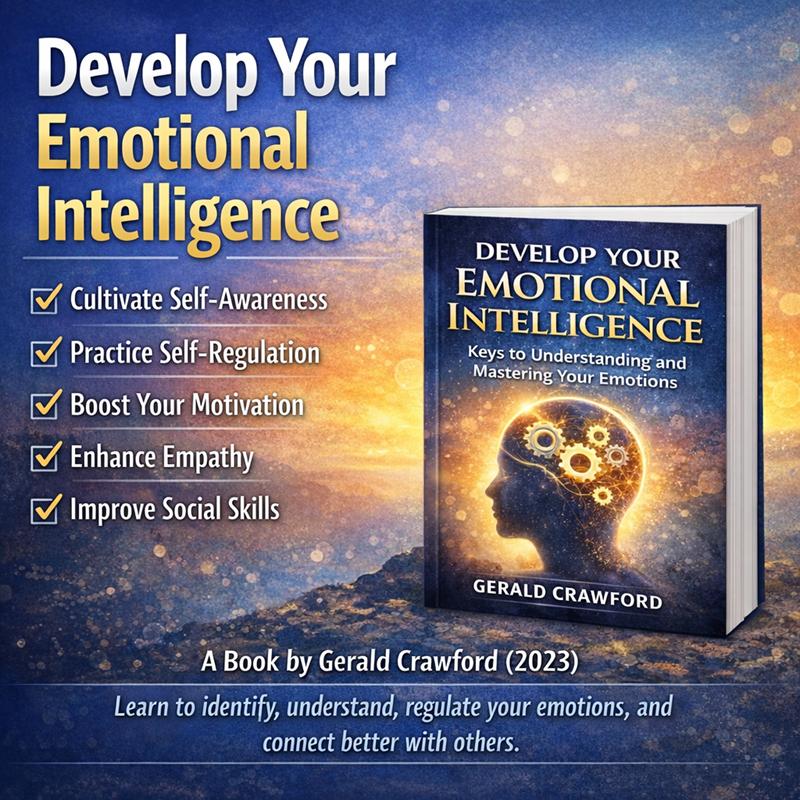
To develop Emotional Intelligence (EI), cultivate self-awareness by identifying and naming your emotions, self-regulation by managing those feelings, motivation by setting goals, empathy by understanding others' perspectives, and improving social skills through active listening and clear communication.

Tag: mindfulness

Managing Your Emotions with Mindfulness

Mindfulness

Mindfulness involves being present and aware in the moment, without judgment.

Mindfulness is a powerful tool for managing emotions, as it helps you become more aware of your thoughts, feelings, and physical sensations in the present moment. By cultivating mindfulness, you can better understand and regulate your emotions, leading to improved mental health and well-being. Here are some key aspects of mindfulness and how it can help you manage your emotions:

What is Mindfulness?

Mindfulness is the practice of:

1. Paying attention: Focusing your attention on the present moment, without judgment or distraction.

2. Being aware: Noticing your thoughts, feelings, and physical sensations, without trying to change or react to them.

3. Accepting: Embracing your experiences, whether pleasant or unpleasant, with an open and non-judgmental attitude.

4. Letting go: Releasing attachment to thoughts, emotions, and physical sensations, allowing yourself to be present in the moment.

Benefits of Mindfulness for Emotion Regulation

1. Increased awareness: Mindfulness helps you become more aware of your emotions, thoughts, and physical sensations, making it easier to recognize and manage them.

2. Improved emotional regulation: Mindfulness enables you to better regulate your emotions, reducing the intensity and duration of negative emotions.

3. Reduced stress and anxiety: Mindfulness has been shown to decrease stress and anxiety by promoting relaxation and reducing rumination.

4. Enhanced self-awareness: Mindfulness helps you develop a greater understanding of yourself, including your values, strengths, and weaknesses.

Mindfulness Techniques for Emotion Regulation

1. Mindful breathing: Focus on your breath, noticing the sensation of the air entering and leaving your nostrils.

2. Body scan: Lie down or sit comfortably, bringing your attention to different parts of your body, noticing any sensations, feelings, or thoughts without judgment.

3. Walking meditation: Pay attention to your feet touching the ground, the sensation of each step, and the movement of your body.

4. Loving-kindness meditation: Focus on sending kindness and compassion to yourself and others.

5. Mindful movement: Engage in physical activities like yoga or tai chi with a mindful attitude, paying attention to your breath, body, and surroundings.

Tips for Practicing Mindfulness for Emotion Regulation

1. Start small: Begin with short mindfulness practices, such as 5-10 minutes a day, and gradually increase the duration as you become more comfortable with the practice.

2. Be consistent: Make mindfulness a regular part of your daily routine, just like brushing your teeth or taking a shower.

3. Find a quiet space: Identify a quiet, comfortable spot where you can practice mindfulness without distractions.

4. Use guided recordings: Utilize guided mindfulness recordings to help you get started and stay on track.

5. Be patient: Remember that mindfulness is a skill that takes time and practice to develop, so be patient and gentle with yourself.

Mindfulness Apps and Resources

1. Headspace: A popular mindfulness app that offers guided meditations and personalized tracking.

2. Calm: A meditation and relaxation app that features guided meditations, sleep stories, and calming music.

3. Insight Timer: A free app that offers a wide range of guided meditations, as well as a timer for tracking your personal practice.

4. Mindfulness-based stress reduction (MBSR) programs: Look for local MBSR programs or online courses that teach mindfulness and meditation techniques.

By incorporating mindfulness into your daily life, you can develop greater awareness and regulation of your emotions, leading to improved mental health and well-being. Remember to start small, be consistent, and be patient with yourself as you cultivate this powerful practice.

Mindfulness and Emotional Intelligence – Building mindfulness and emotional intelligence

Building mindfulness and emotional intelligence requires practice, patience, and dedication. Here are some strategies to help you build mindfulness and emotional intelligence:

Mindfulness Strategies:

1. Meditation: Regular meditation practice can help you develop mindfulness and increase your self-awareness.

2. Deep breathing: Practice deep breathing exercises to calm your mind and body.

3. Body scan: Lie down or sit comfortably and focus on different parts of your body, starting from your toes and moving up to your head.

4. Mindful movement: Engage in physical activities like yoga, tai chi, or walking while being mindful of your breath and bodily sensations.

Emotional Intelligence Strategies:

1. Self-awareness: Develop self-awareness by recognizing and understanding your emotions, values, and motivations.

2. Emotional regulation: Learn to regulate your emotions and manage stress.

3. Empathy: Practice empathy by trying to understand and share the feelings of others.

4. Social skills: Develop social skills by learning effective communication, active listening, and conflict resolution.

Benefits of Mindfulness and Emotional Intelligence:

1. Improved mental health: Mindfulness and emotional intelligence can help improve mental health and well-being.

2. Increased self-awareness: Mindfulness and emotional intelligence can help you develop a greater understanding of yourself and your emotions.

3. Better relationships: Mindfulness and emotional intelligence can help you build stronger, more meaningful relationships.

Challenges to Building Mindfulness and Emotional Intelligence:

1. Lack of motivation: It can be challenging to stay motivated and consistent with a mindfulness and emotional intelligence practice.

2. Emotional regulation: It can be difficult to regulate your emotions and manage stress.

3. Limited self-awareness: It can be challenging to develop self-awareness and understand your emotions.

Strategies for Overcoming Challenges:

1. Seek guidance: Consult with a mindfulness or emotional intelligence expert.

2. Practice regularly: Make mindfulness and emotional intelligence a regular part of your practice.

3. Be patient: Building mindfulness and emotional intelligence takes time and effort.

By incorporating mindfulness and emotional intelligence into your daily life, you can develop greater self-awareness, improve your relationships, and enhance your overall well-being.

Mindfulness and Emotional Intelligence – Strategies for practicing mindfulness: meditation, deep breathing, and self-reflection

Mindfulness is a crucial aspect of emotional intelligence, as it enables individuals to develop a greater awareness of their thoughts, emotions, and bodily sensations. Here are some key aspects of mindfulness and emotional intelligence:

What is Mindfulness?

Mindfulness is the practice of paying attention to the present moment, without judgment or distraction. It involves cultivating a non-judgmental awareness of one’s thoughts, emotions, and bodily sensations.

How Does Mindfulness Relate to Emotional Intelligence?

1. Increased self-awareness: Mindfulness helps individuals develop a greater awareness of their thoughts, emotions, and bodily sensations, which is essential for emotional intelligence.

2. Improved emotional regulation: Mindfulness enables individuals to regulate their emotions more effectively, by becoming more aware of their emotional responses and learning to manage them.

3. Enhanced empathy and compassion: Mindfulness can help individuals develop a greater sense of empathy and compassion, by increasing their awareness of the emotions and needs of others.

Benefits of Mindfulness in Emotional Intelligence:

1. Improved emotional well-being: Mindfulness can help individuals manage stress, anxiety, and other negative emotions, leading to improved emotional well-being.

2. Increased self-awareness: Mindfulness can help individuals develop a greater awareness of their thoughts, emotions, and bodily sensations, leading to increased self-awareness.

3. Better relationships: Mindfulness can help individuals develop more positive and meaningful relationships, by increasing their empathy and compassion.

How to Practice Mindfulness:

1. Meditation: Sit comfortably, close your eyes, and focus on your breath or a mantra.

2. Body scan: Lie down or sit comfortably, and focus on different parts of your body, starting from your toes and moving up to your head.

3. Mindful movement: Engage in physical activities like yoga, tai chi, or walking while being mindful of your breath and bodily sensations.

Challenges to Practicing Mindfulness:

1. Difficulty quieting the mind: It can be challenging to quiet the mind and focus on the present moment.

2. Physical discomfort: Physical discomfort or pain can make it difficult to practice mindfulness.

3. Lack of motivation: It can be challenging to stay motivated and consistent with a mindfulness practice.

Strategies for Overcoming Challenges:

1. Start small: Begin with short mindfulness exercises and gradually increase the duration.

2. Find a quiet and comfortable space: Identify a quiet and comfortable space where you can practice mindfulness without distractions.

3. Seek guidance: Consult with a mindfulness teacher or use guided meditation apps to help you get started.

By incorporating mindfulness into your daily life, you can develop greater emotional intelligence, improve your relationships, and enhance your overall well-being.

Mindfulness and Emotional Intelligence – The importance of mindfulness in emotional intelligence

Mindfulness is a crucial aspect of emotional intelligence, as it enables individuals to develop a greater awareness of their thoughts, emotions, and bodily sensations. Here are some key aspects of mindfulness and emotional intelligence:

What is Mindfulness?

Mindfulness is the practice of paying attention to the present moment, without judgment or distraction. It involves cultivating a non-judgmental awareness of one’s thoughts, emotions, and bodily sensations.

How Does Mindfulness Relate to Emotional Intelligence?

1. Increased self-awareness: Mindfulness helps individuals develop a greater awareness of their thoughts, emotions, and bodily sensations, which is essential for emotional intelligence.

2. Improved emotional regulation: Mindfulness enables individuals to regulate their emotions more effectively, by becoming more aware of their emotional responses and learning to manage them.

3. Enhanced empathy and compassion: Mindfulness can help individuals develop a greater sense of empathy and compassion, by increasing their awareness of the emotions and needs of others.

Benefits of Mindfulness in Emotional Intelligence:

1. Improved emotional well-being: Mindfulness can help individuals manage stress, anxiety, and other negative emotions, leading to improved emotional well-being.

2. Increased self-awareness: Mindfulness can help individuals develop a greater awareness of their thoughts, emotions, and bodily sensations, leading to increased self-awareness.

3. Better relationships: Mindfulness can help individuals develop more positive and meaningful relationships, by increasing their empathy and compassion.

How to Practice Mindfulness:

1. Meditation: Sit comfortably, close your eyes, and focus on your breath or a mantra.

2. Body scan: Lie down or sit comfortably, and focus on different parts of your body, starting from your toes and moving up to your head.

3. Mindful movement: Engage in physical activities like yoga, tai chi, or walking while being mindful of your breath and bodily sensations.

Challenges to Practicing Mindfulness:

1. Difficulty quieting the mind: It can be challenging to quiet the mind and focus on the present moment.

2. Physical discomfort: Physical discomfort or pain can make it difficult to practice mindfulness.

3. Lack of motivation: It can be challenging to stay motivated and consistent with a mindfulness practice.

Strategies for Overcoming Challenges:

1. Start small: Begin with short mindfulness exercises and gradually increase the duration.

2. Find a quiet and comfortable space: Identify a quiet and comfortable space where you can practice mindfulness without distractions.

3. Seek guidance: Consult with a mindfulness teacher or use guided meditation apps to help you get started.

By incorporating mindfulness into your daily life, you can develop greater emotional intelligence, improve your relationships, and enhance your overall well-being.

Emotional Regulation – Strategies for regulating emotions: deep breathing, mindfulness, and cognitive-behavioral therapy

Emotional regulation is a crucial aspect of emotional intelligence. Here are some strategies for regulating emotions:

Deep Breathing:

1. Diaphragmatic breathing: Focus on deep, slow breaths that engage your diaphragm.

2. Counting breaths: Count your breaths to help calm your mind and body.

3. Relaxation response: Trigger a relaxation response by focusing on your breath.

Mindfulness:

1. Present-moment awareness: Focus on the present moment, without judgment.

2. Non-judgmental acceptance: Accept your thoughts, feelings, and bodily sensations without judgment.

3. Mindful movement: Engage in physical activities like yoga or tai chi to cultivate mindfulness.

Cognitive-Behavioral Therapy (CBT):

1. Identify negative thoughts: Recognize and challenge negative thoughts that contribute to emotional distress.

2. Reframe negative thoughts: Replace negative thoughts with more balanced, constructive ones.

3. Develop coping skills: Learn new coping skills and strategies to manage emotions.

Additional Strategies:

1. Physical activity: Engage in regular physical activity to reduce stress and anxiety.

2. Social support: Seek support from friends, family, or a therapist.

3. Self-compassion: Practice self-compassion and treat yourself with kindness.

Benefits of Emotional Regulation:

1. Reduced stress and anxiety: Emotional regulation can help reduce stress and anxiety.

2. Improved mental health: Emotional regulation can improve mental health and well-being.

3. Enhanced relationships: Emotional regulation can improve relationships with others.

Challenges and Limitations:

1. Difficulty with self-awareness: Developing self-awareness can be challenging.

2. Limited access to resources: Access to resources like therapy or social support may be limited.

3. Individual differences: People may respond differently to emotional regulation strategies.

By incorporating these strategies into daily life, individuals can develop better emotional regulation skills, leading to improved mental health and well-being.

Back a Buddy Show your Support