To develop Emotional Intelligence (EI), cultivate self-awareness by identifying and naming your emotions, self-regulation by managing those feelings, motivation by setting goals, empathy by understanding others' perspectives, and improving social skills through active listening and clear communication.

Tag: leadership

Emotional Intelligence and Leadership – The importance of emotional intelligence in leadership

Emotional intelligence (EI) is crucial for effective leadership, as it enables leaders to understand and manage their own emotions, as well as the emotions of their team members. Here are some key aspects of EI in leadership:

Why is EI Important in Leadership?

1. Improved relationships: EI helps leaders build strong relationships with their team members, which can improve communication, collaboration, and productivity.

2. Better decision-making: EI enables leaders to make informed decisions, taking into account the emotional and social implications of their actions.

3. Increased employee engagement: EI helps leaders to motivate and engage their team members, leading to increased job satisfaction and reduced turnover.

Key Components of EI in Leadership:

1. Self-awareness: Leaders are aware of their own emotions, values, and motivations.

2. Emotional regulation: Leaders can manage their own emotions, impulses, and behaviors.

3. Empathy: Leaders can understand and share the feelings of their team members.

4. Social skills: Leaders can communicate effectively, build relationships, and manage conflicts.

Benefits of EI in Leadership:

1. Improved leadership effectiveness: EI can help leaders to lead more effectively, making informed decisions and building stronger relationships.

2. Increased employee satisfaction: EI can help leaders to motivate and engage their team members, leading to increased job satisfaction and reduced turnover.

3. Better communication: EI can help leaders to communicate more effectively, avoiding misunderstandings and conflicts.

Challenges to EI in Leadership:

1. Emotional labor: Leaders may struggle to manage their emotions, leading to burnout and decreased job satisfaction.

2. Conflicting priorities: Leaders may face conflicting priorities, making it challenging to manage their emotions and relationships.

3. Limited resources: Leaders may not have access to resources, such as training or support, to develop their EI.

Strategies for Developing EI in Leadership:

1. Emotional intelligence training: Provide leaders with EI training, helping them to develop their EI and lead more effectively.

2. Coaching and feedback: Provide leaders with coaching and feedback on their EI, helping them to improve their skills.

3. Self-reflection: Encourage leaders to engage in self-reflection, helping them to develop their self-awareness and emotional regulation.

By developing EI, leaders can improve their leadership effectiveness, build stronger relationships with their team members, and achieve greater success.
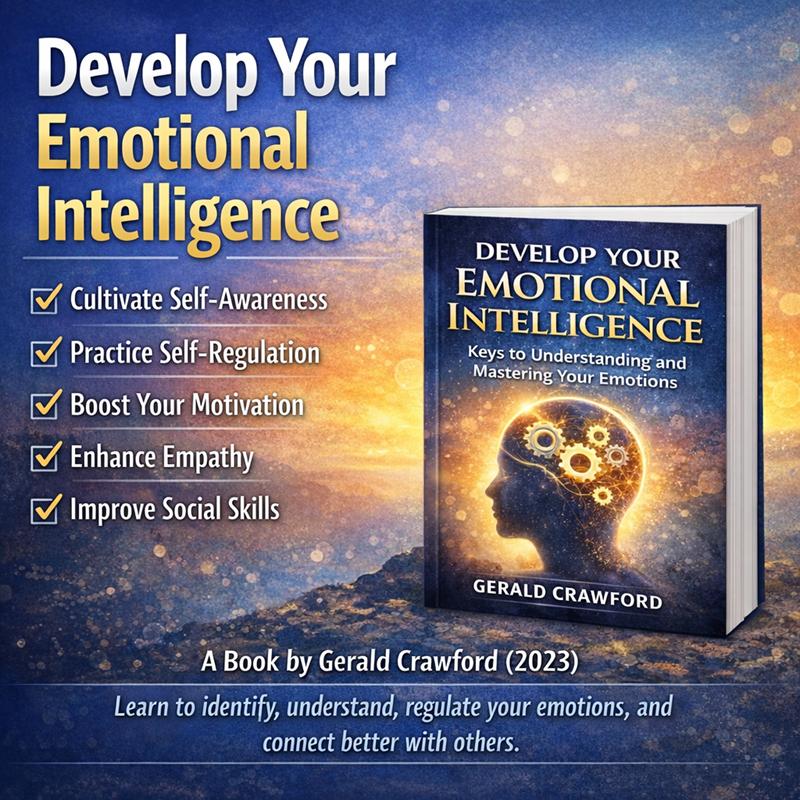

Emotional Intelligence in the Workplace – Strategies for applying emotional intelligence in the workplace: teamwork, leadership, and communication

Emotional Intelligence in the Workplace: Strategies for Teamwork, Leadership, and Communication

Emotional intelligence (EI) is a vital skill for professionals to succeed in the workplace. It involves the ability to recognize and understand emotions in oneself and others, and to use this awareness to guide thought and behavior. Here are some strategies for applying EI in the workplace:

Teamwork

1. Collaborative mindset: Encourage a collaborative mindset among team members, promoting a sense of shared responsibility and mutual support.

2. Emotional awareness: Foster emotional awareness among team members, helping them to recognize and manage their emotions in a team setting.

3. Effective communication: Encourage open and effective communication among team members, promoting active listening and empathy.

4. Conflict resolution: Teach team members how to resolve conflicts in a constructive and respectful manner.

Leadership

1. Lead by example: Leaders should model EI behaviors, demonstrating empathy, self-awareness, and effective communication.

2. Emotional intelligence training: Provide leaders with EI training, helping them to develop their EI and lead more effectively.

3. Emotional awareness: Encourage leaders to be aware of their own emotions and the emotions of their team members.

4. Coaching and feedback: Provide leaders with coaching and feedback on their EI, helping them to improve their skills.

Communication

1. Active listening: Encourage active listening among team members, promoting empathy and understanding.

2. Clear communication: Communicate clearly and effectively, avoiding misunderstandings and conflicts.

3. Emotional awareness: Be aware of the emotions of others, and respond in a way that is empathetic and supportive.

4. Nonverbal communication: Be aware of nonverbal cues, such as body language and tone of voice, and use them to communicate effectively.

Benefits of EI in the Workplace

1. Improved teamwork: EI can help to improve teamwork, promoting collaboration and reducing conflicts.

2. Increased productivity: EI can help to increase productivity, by reducing stress and improving communication.

3. Better leadership: EI can help leaders to lead more effectively, making informed decisions and building stronger relationships.

Challenges to Applying EI in the Workplace

1. Emotional labor: Employees may struggle to manage their emotions, leading to burnout and decreased job satisfaction.

2. Conflicting priorities: Employees may face conflicting priorities, making it challenging to manage their emotions and relationships.

3. Limited resources: Employees may not have access to resources, such as training or support, to develop their EI.

Strategies for Overcoming Challenges

1. Emotional intelligence training: Provide employees with EI training, helping them to develop their EI and manage their emotions more effectively.

2. Coaching and feedback: Provide employees with coaching and feedback on their EI, helping them to improve their skills.

3. Encourage self-care: Encourage employees to prioritize self-care, reducing stress and improving emotional well-being.

By applying these strategies, professionals can develop their EI and improve their teamwork, leadership, and communication skills, leading to greater success and well-being in the workplace.

Back a Buddy Show your Support