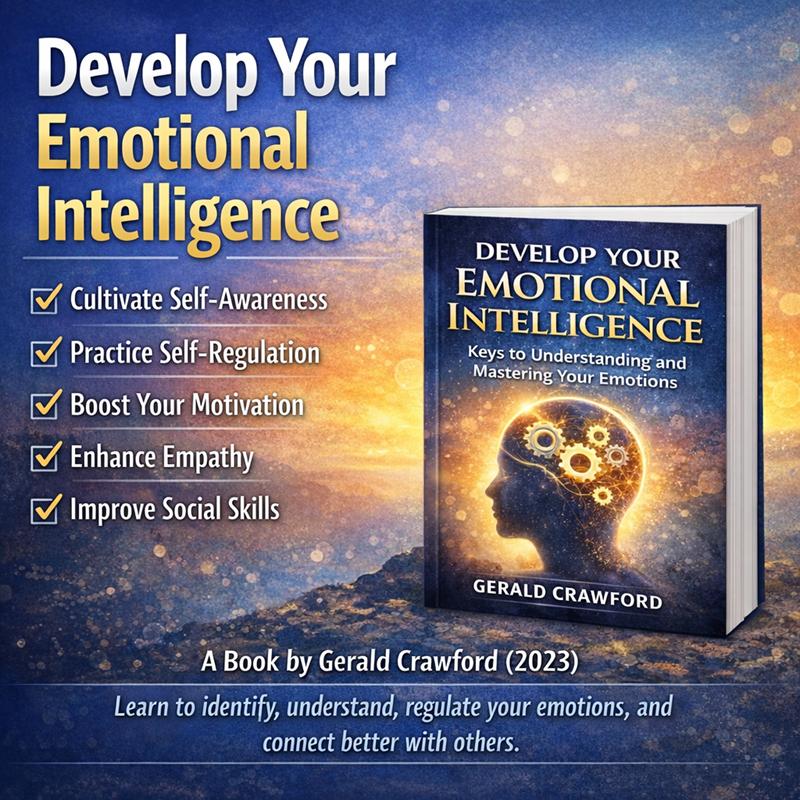
To develop Emotional Intelligence (EI), cultivate self-awareness by identifying and naming your emotions, self-regulation by managing those feelings, motivation by setting goals, empathy by understanding others' perspectives, and improving social skills through active listening and clear communication.

Tag: guilt

Case Study 21: Developing Emotional Intelligence and healing from Guilt (30): Remorse, self-judgment.

Case Study 21: Developing Emotional Intelligence and Healing from Guilt

Consciousness Level: Guilt (30)
Emotional State: Remorse, self-judgment


Background

Naledi (38) is a dedicated professional and mother who is widely seen as responsible and caring. Yet internally, she carries a persistent sense of having failed — as a partner, a parent, and a person. Unlike shame, which attacks identity, Naledi’s emotional struggle focuses on actions she believes she “should have done differently.”

Her upbringing emphasised moral correctness and duty. Mistakes were not met with punishment, but with disappointment. Over time, Naledi learned that being “good” meant never letting anyone down. When she did, guilt quickly filled the space.


Emotional Landscape at the Level of Guilt

At the Guilt level, the dominant belief is:
“I did something wrong.”

Naledi’s emotional world was marked by:

  • Persistent self-blame

  • Rumination over past decisions

  • Difficulty forgiving herself

  • A sense of owing others emotional repayment

Unlike shame, guilt still allows a sense of self — but it is heavily burdened.


Impact on Relationships

Guilt shaped Naledi’s relationships in subtle but powerful ways:

  • Those She Loved and Cared For:
    She over-compensated, often sacrificing her own needs to “make up” for perceived failures.

  • Those She Needed:
    She feared disappointing authority figures and avoided honest conversations.

  • Those She Tolerated or Felt Indifferent To:
    She took responsibility for emotions that were not hers to carry.

Guilt blurred boundaries, turning care into obligation.


Behavioural Patterns

Naledi’s behaviour was driven by an internal moral accountant that never balanced:

  • Excessive apologising

  • Difficulty saying no

  • Over-functioning in relationships

  • Avoidance of situations that might trigger criticism

While these behaviours appeared selfless, they quietly drained her emotional energy.


The Turning Point: Responsibility Without Punishment

Naledi’s growth began when she learned that responsibility does not require self-punishment.

Through coaching, she was introduced to a key EI distinction:

Responsibility asks, “What can I do now?”
Guilt asks, “How bad should I feel?”

This insight marked the beginning of emotional maturity.


Developing Emotional Intelligence

Naledi strengthened her EI through three core practices:


1. Emotional Differentiation

She learned to distinguish:

  • Healthy remorse (signals values)

  • Unhealthy guilt (endless self-judgment)

This allowed her to respond constructively instead of looping in regret.


2. Self-Forgiveness

Naledi practiced acknowledging mistakes once, then releasing them:

  • “I see what happened.”

  • “I accept my humanity.”

  • “I choose to move forward.”

Forgiveness became an act of responsibility, not indulgence.


3. Boundary Awareness

She learned that:

  • Saying no is not wrongdoing

  • Disappointing others is not moral failure

  • Adults manage their own emotions

This shifted her from over-giving to balanced relating.


Movement Up the Consciousness Scale

Naledi’s emotional development followed a natural progression:

  • From Guilt (30) → conscious accountability

  • To Courage (200) → self-trust and honest action

  • Toward Acceptance (350) → emotional responsibility without blame

The key shift was from judging the past to choosing the present.


Outcome

Over time, Naledi experienced:

  • Reduced emotional fatigue

  • Greater self-respect

  • Clearer boundaries in relationships

  • A calmer internal dialogue

She remained conscientious — but no longer self-punishing.


Key Learning

Guilt becomes toxic when it outlives its usefulness.
Its healthy role is to guide correction — not to define identity.

Emotional intelligence transforms guilt into learning, repair, and forward movement.

Let go of Guilt, shame, embarrassment emotions with Hypnotherapy

Here’s a hypnotherapy script to help let go of guilt, shame, and embarrassment emotions:

Introduction

(Soft, calming music starts playing. Speak in a gentle, soothing tone.)

“Welcome to this hypnotherapy session, where you’ll embark on a journey to release the emotions of guilt, shame, and embarrassment that have been weighing you down. Allow yourself to relax, breathe deeply, and let go of any tension or stress. You’re safe, and you’re in control. Find a comfortable position, either sitting or lying down, and take a deep breath in… and out… Feel the air fill your lungs, and then release it slowly. As you exhale, imagine any worries or concerns leaving your body.”

Induction

“Close your eyes and begin to focus on your breath. Feel the sensation of the air moving in and out of your nostrils. Imagine a warm, soothing light beginning to fill your body, starting at the crown of your head. As this light travels down through your face, neck, and shoulders, it melts away any tension or stress, leaving you feeling calm and relaxed. Allow this light to continue down through your arms, hands, chest, abdomen, lower back, and finally, your legs and feet. With each breath, feel yourself becoming more and more relaxed, more and more at ease.”

Deepening

“Imagine yourself standing in a peaceful, serene environment. It could be a beach, a forest, or a mountain meadow. Take a moment to notice the sights, sounds, and sensations around you. Feel the sensation of your feet connecting with the ground, the sensation of the air on your skin, and the sensation of your heart beating in your chest. As you breathe in, imagine fresh, clean air filling your lungs, and as you breathe out, imagine any guilt, shame, or embarrassment leaving your body. Repeat the following phrase to yourself: ‘I am letting go, I am releasing, I am free.'”

Confronting Guilt, Shame, and Embarrassment

“Imagine a large, empty canvas in front of you. This canvas represents the space where you’ll confront and release your guilt, shame, and embarrassment. Visualize the specific situations, events, or memories that have led to these emotions. See the faces, hear the voices, and relive the feelings. But this time, as you recall these experiences, imagine yourself observing them from a detached perspective. You’re not reliving the emotions; you’re simply acknowledging them. Now, imagine taking a brush, and painting a picture that represents the guilt, shame, or embarrassment you’ve been carrying. As you paint, allow the emotions to rise to the surface, and acknowledge them. But also remind yourself that these emotions are not a part of your true nature. You are not defined by these feelings.”

Releasing the Emotions

“Imagine a gentle rain beginning to fall on the canvas, washing away the colors, the shapes, and the emotions that you’ve painted. As the rain continues to fall, imagine the guilt, shame, and embarrassment being washed away, leaving the canvas clean and blank. Repeat the following phrase to yourself: ‘I release you, I let you go, I am free from your grasp.’ As you continue to breathe deeply, imagine the fresh, clean air filling your lungs, and the sensation of freedom and release spreading throughout your body.”

Self-Forgiveness and Self-Compassion

“Imagine a warm, comforting light beginning to fill your body. This light represents self-forgiveness, self-compassion, and self-love. As the light grows, it nourishes your heart, your mind, and your soul. Allow yourself to receive this light, and to feel its warmth and comfort. Repeat the following phrase to yourself: ‘I forgive myself, I am kind to myself, I am compassionate towards myself.’ Remember that everyone makes mistakes, and that it’s a natural part of the learning and growth process. Treat yourself with the same kindness and compassion that you would offer to a friend.”

Empowerment

“Imagine a new, empowered version of yourself emerging. This version is confident, self-assured, and free from the burdens of guilt, shame, and embarrassment. See yourself handling situations with ease, responding to challenges with confidence, and trusting yourself completely. Feel the sense of pride, the sense of accomplishment, and the sense of freedom that comes with knowing you’re in control. Repeat the following phrase to yourself: ‘I trust myself, I trust my abilities, I am capable and competent.'”

Counting Up and Awakening

“Take a deep breath in, and as you exhale, begin to slowly count up from one to five. With each number, feel yourself becoming more and more alert, more and more focused. When you reach the number five, you’ll be fully awake, feeling refreshed, renewed, and empowered. One… You’re beginning to stir, feeling a sense of calm and relaxation. Two… You’re becoming more alert, more focused. Three… You’re starting to feel more energized, more motivated. Four… You’re almost fully awake, feeling refreshed and renewed. Five… You’re now fully awake, feeling empowered, confident, and free from the emotions of guilt, shame, and embarrassment. Take a deep breath in, and when you’re ready, you can open your eyes.”

Conclusion

“Remember, the emotions of guilt, shame, and embarrassment are not a part of your true nature. You are worthy, you are deserving, and you are free. Whenever you feel these emotions arising, take a deep breath, and remind yourself of the empowerment you’ve experienced in this session. You can return to this peaceful, serene place whenever you need to, and you can always trust yourself to handle any situation with confidence and ease.”

Sign of Deep Unhealed Emotional Wound – Persistent negative emotions: Experiencing ongoing fear, anger, guilt, shame, or a sense of detachment from others.

Persistent negative emotions: Experiencing ongoing fear, anger, guilt, shame, or a sense of detachment from others.

Persistent negative emotions can be a sign of deep unhealed emotional wounds. When we experience traumatic or stressful events, our emotions can become stuck in a state of hyperarousal, making it difficult to regulate and manage our emotional responses.

This can lead to a range of negative emotions, including:

1. Fear: Experiencing excessive or irrational fear, such as fear of abandonment, rejection, or harm.

2. Anger: Feeling persistent anger, resentment, or irritability, which can be directed towards oneself or others.

3. Guilt: Carrying around feelings of guilt, shame, or self-blame, which can be related to past mistakes or perceived wrongdoings.

4. Shame: Feeling deep-seated shame, self-loathing, or worthlessness, which can be related to past trauma or negative experiences.

5. Detachment: Feeling disconnected or detached from others, which can be a coping mechanism to avoid feelings of vulnerability or rejection.

These persistent negative emotions can affect various aspects of life, including relationships, work, and overall well-being. It’s essential to address these emotions and work through the underlying causes to promote healing and emotional regulation.

Why do persistent negative emotions occur?

Persistent negative emotions can occur due to various reasons, including:

1. Unresolved trauma: Unprocessed traumatic experiences can lead to persistent negative emotions, as the body and mind may remain in a state of hyperarousal.

2. Lack of emotional validation: When emotional experiences are not validated or acknowledged, it can lead to feelings of shame, guilt, or self-doubt.

3. Ineffective coping mechanisms: Using unhealthy coping mechanisms, such as substance abuse or avoidance, can perpetuate negative emotions and prevent healing.

4. Unrealistic expectations: Having unrealistic expectations about oneself or others can lead to feelings of frustration, anger, or disappointment.

5. Genetic predisposition: Some individuals may be more prone to negative emotions due to genetic factors, such as a family history of mental health conditions.

How to address persistent negative emotions?

To address persistent negative emotions, consider the following steps:

1. Seek professional help: Consult with a mental health professional, such as a therapist or counselor, to explore the underlying causes of your emotions.

2. Practice self-compassion: Treat yourself with kindness, understanding, and patience, just as you would a close friend.

3. Engage in self-care: Participate in activities that bring you joy, relaxation, and a sense of fulfillment, such as exercise, meditation, or creative pursuits.

4. Challenge negative thoughts: Learn to recognize and challenge negative thought patterns, replacing them with more balanced and realistic ones.

5. Develop emotional awareness: Cultivate awareness of your emotions, recognizing how they affect your thoughts, behaviors, and relationships.

6. Build a support network: Surround yourself with supportive people who can provide emotional validation, encouragement, and connection.

7. Practice mindfulness and relaxation techniques: Regularly engage in mindfulness and relaxation practices, such as deep breathing, progressive muscle relaxation, or meditation, to help regulate your emotions.

Remember, healing from deep unhealed emotional wounds takes time, effort, and patience. By addressing persistent negative emotions and working through the underlying causes, you can promote emotional healing, regulation, and well-being.

What resonates with you the most, or what would you like to explore further?

Back a Buddy Show your Support