
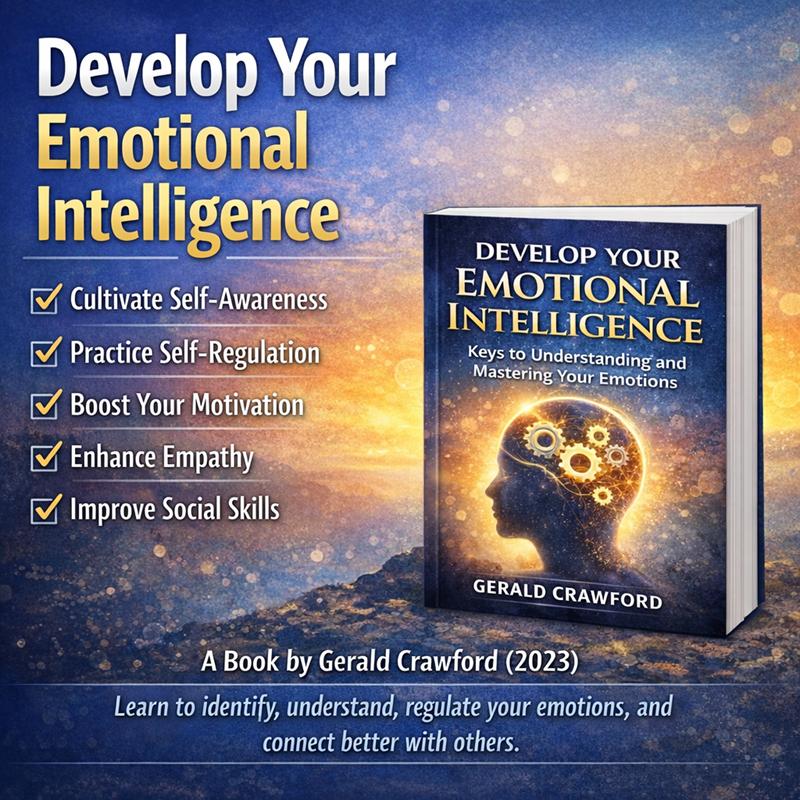
To develop Emotional Intelligence (EI), cultivate self-awareness by identifying and naming your emotions, self-regulation by managing those feelings, motivation by setting goals, empathy by understanding others' perspectives, and improving social skills through active listening and clear communication.

Tag: Empathy and Compassion

Impact of Emotions on Decision-Making – Empathy and Compassion

Empathy and Compassion: Empathy and compassion are essential for building strong, supportive relationships.

let’s explore the impact of emotions on decision-making, focusing on empathy and compassion. Empathy and compassion are essential emotions that can significantly influence our decision-making, particularly in situations involving other people or living beings.

What is Empathy?

Empathy is the ability to understand and share the feelings of others, often by putting oneself in their perspective. It involves being able to imagine how someone else might be thinking or feeling, and using that understanding to guide our actions and decisions.

What is Compassion?

Compassion is the feeling of sympathy and concern for the suffering or well-being of others. It involves a desire to help alleviate the suffering of others, and to promote their happiness and well-being.

Impact of Empathy and Compassion on Decision-Making

1. Improved Relationships: Empathy and compassion can lead to stronger, more meaningful relationships, as we’re better able to understand and support the people around us.

2. More Informed Decisions: By considering the perspectives and feelings of others, we can make more informed decisions that take into account the potential impacts on all parties involved.

3. Increased Cooperation: Empathy and compassion can foster cooperation and collaboration, as we’re more likely to work together and find mutually beneficial solutions.

4. Better Conflict Resolution: Empathy and compassion can help us resolve conflicts more effectively, by understanding the underlying needs and concerns of all parties involved.

5. More Ethical Decisions: By considering the well-being of others, we’re more likely to make decisions that are ethical and responsible.

Examples of Empathy and Compassion in Decision-Making

1. Business Decisions: A company may decide to implement a new policy that benefits its employees, such as flexible working hours or mental health support, due to empathy and compassion for their well-being.

2. Personal Relationships: A person may decide to end a relationship, not because they don’t care about the other person, but because they empathize with their own needs and realize it’s not a healthy partnership.

3. Environmental Decisions: A community may decide to adopt sustainable practices, such as reducing waste or conserving energy, due to compassion for the planet and its inhabitants.

4. Social Justice: A social movement may advocate for policy changes, such as equal rights or access to education, due to empathy and compassion for marginalized communities.

Strategies for Cultivating Empathy and Compassion

1. Active Listening: Practice active listening, by fully engaging with others and seeking to understand their perspectives and feelings.

2. Perspective-Taking: Engage in perspective-taking, by imagining how others might be thinking or feeling, and using that understanding to guide your decisions.

3. Mindfulness: Cultivate mindfulness, by being present and fully engaged in the moment, and using that awareness to inform your decisions.

4. Self-Reflection: Engage in self-reflection, by examining your own thoughts, feelings, and biases, and using that understanding to develop empathy and compassion for others.

5. Education and Exposure: Seek out diverse perspectives and experiences, through education, travel, or volunteering, to broaden your understanding and empathy for others.

By cultivating empathy and compassion, you can make more informed, responsible, and compassionate decisions that consider the well-being of all parties involved.

Empathy and Compassion – Building compassion and understanding towards others

Building compassion and understanding towards others is essential for creating a more harmonious and supportive environment. Here’s an overview of how to build compassion and understanding:

Understanding Others:

1. Perspective-taking: Try to see things from another person’s perspective, and imagine how they might be feeling.

2. Active listening: Listen actively and attentively to others, focusing on their words, tone, and body language.

3. Empathy: Practice empathy by trying to understand and share the feelings of another person.

Building Compassion:

1. Self-reflection: Engage in self-reflection to understand your own emotions and behaviors.

2. Mindfulness: Practice mindfulness to increase awareness of your thoughts, feelings, and bodily sensations.

3. Kindness: Practice kindness and compassion towards yourself and others.

Benefits of Compassion:

1. Improved relationships: Compassion can help build stronger, more meaningful relationships.

2. Increased empathy: Compassion can increase empathy and understanding towards others.

3. Reduced stress and anxiety: Compassion can reduce stress and anxiety by promoting relaxation and calmness.

Challenges to Building Compassion:

1. Difficulty with emotional regulation: Emotional regulation can be challenging, especially for individuals with mental health conditions.

2. Limited access to resources: Access to resources, such as therapy or support groups, may be limited.

3. Individual differences: People may respond differently to compassion and empathy.

Strategies for Building Compassion:

1. Practice self-compassion: Treat yourself with kindness, understanding, and patience.

2. Engage in acts of kindness: Engage in acts of kindness and compassion towards others.

3. Develop a growth mindset: View challenges and setbacks as opportunities for growth and learning.

By building compassion and understanding towards others, individuals can create a more harmonious and supportive environment, improve relationships, and increase empathy.

Empathy and Compassion – Strategies for developing empathy: active listening, perspective-taking, and emotional validation

Empathy and compassion are essential components of healthy relationships. Here’s an overview of the importance of empathy and compassion in relationships:

Empathy:

1. Definition: Empathy is the ability to understand and share the feelings of another person.

2. Importance: Empathy is crucial in relationships, as it allows individuals to connect with each other on a deeper level.

Compassion:

1. Definition: Compassion is the ability to feel concern and kindness for another person’s suffering.

2. Importance: Compassion is essential in relationships, as it allows individuals to provide emotional support and care for each other.

Benefits of Empathy and Compassion:

1. Stronger relationships: Empathy and compassion can help build stronger, more meaningful relationships.

2. Improved communication: Empathy and compassion can improve communication, as individuals are more likely to listen actively and respond with understanding.

3. Increased trust: Empathy and compassion can increase trust, as individuals feel more secure and supported in their relationships.

Challenges to Empathy and Compassion:

1. Difficulty with emotional regulation: Emotional regulation can be challenging, especially for individuals with mental health conditions.

2. Limited access to resources: Access to resources, such as therapy or support groups, may be limited.

3. Individual differences: People may respond differently to empathy and compassion, and some may struggle to provide or receive empathy and compassion.

Strategies for Cultivating Empathy and Compassion:

1. Practice active listening: Listen actively and attentively to others, focusing on their words, tone, and body language.

2. Engage in perspective-taking: Try to see things from another person’s perspective, and imagine how they might be feeling.

3. Develop emotional awareness: Develop awareness of your own emotions and how they impact your behavior.

By cultivating empathy and compassion, individuals can build stronger, more meaningful relationships, improve communication, and increase trust.

Empathy and Compassion – The importance of empathy and compassion in relationships

Empathy and compassion are essential components of healthy relationships. Here’s an overview of the importance of empathy and compassion in relationships:

Empathy:

1. Definition: Empathy is the ability to understand and share the feelings of another person.

2. Importance: Empathy is crucial in relationships, as it allows individuals to connect with each other on a deeper level.

Compassion:

1. Definition: Compassion is the ability to feel concern and kindness for another person’s suffering.

2. Importance: Compassion is essential in relationships, as it allows individuals to provide emotional support and care for each other.

Benefits of Empathy and Compassion:

1. Stronger relationships: Empathy and compassion can help build stronger, more meaningful relationships.

2. Improved communication: Empathy and compassion can improve communication, as individuals are more likely to listen actively and respond with understanding.

3. Increased trust: Empathy and compassion can increase trust, as individuals feel more secure and supported in their relationships.

Challenges to Empathy and Compassion:

1. Difficulty with emotional regulation: Emotional regulation can be challenging, especially for individuals with mental health conditions.

2. Limited access to resources: Access to resources, such as therapy or support groups, may be limited.

3. Individual differences: People may respond differently to empathy and compassion, and some may struggle to provide or receive empathy and compassion.

Strategies for Cultivating Empathy and Compassion:

1. Practice active listening: Listen actively and attentively to others, focusing on their words, tone, and body language.

2. Engage in perspective-taking: Try to see things from another person’s perspective, and imagine how they might be feeling.

3. Develop emotional awareness: Develop awareness of your own emotions and how they impact your behavior.

By cultivating empathy and compassion, individuals can build stronger, more meaningful relationships, improve communication, and increase trust.

Back a Buddy Show your Support