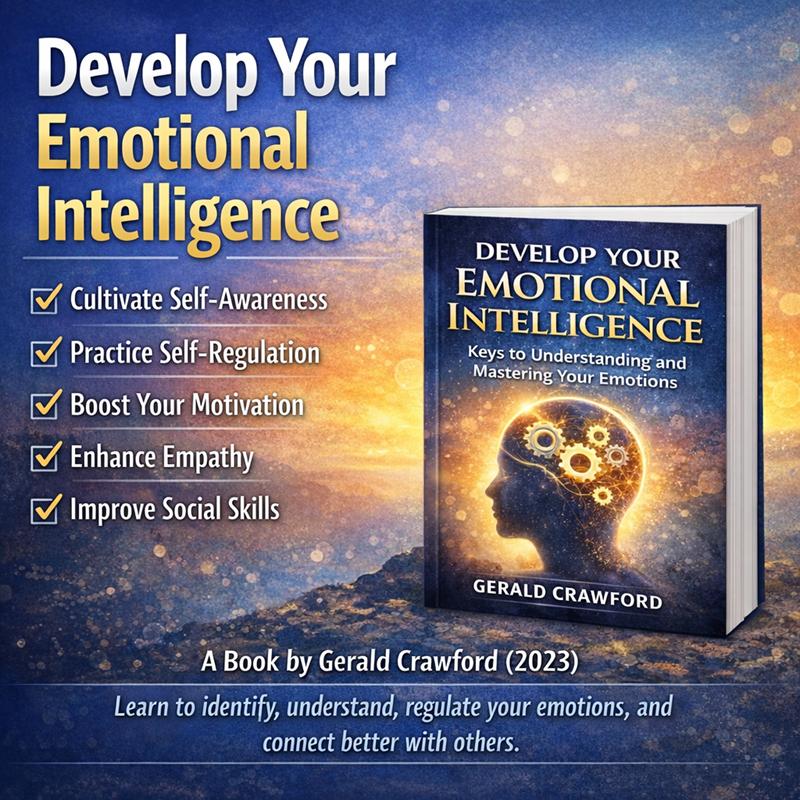
To develop Emotional Intelligence (EI), cultivate self-awareness by identifying and naming your emotions, self-regulation by managing those feelings, motivation by setting goals, empathy by understanding others' perspectives, and improving social skills through active listening and clear communication.

Tag: Emotional Trauma (Page 1 of 2)

Releasing Emotional Trauma can be a complex and ongoing process

Releasing emotional trauma can be a complex and ongoing process, but it’s a crucial step towards healing and recovery. Here are some ways to help you release emotional trauma:

1. *Acknowledge and accept your emotions*: Recognize that your feelings are valid and that it’s okay to feel the way you do. Avoid suppressing or denying your emotions, as this can prolong the healing process.
2. *Identify the source of the trauma*: Reflect on the event or experience that caused the trauma. Understanding the root cause can help you address the underlying emotions and memories associated with the trauma.
3. *Seek professional help*: Consider consulting a therapist, counselor, or psychologist who can provide a safe and supportive environment to process your emotions. They can help you develop coping strategies and work through your trauma.
4. *Practice self-care*: Engage in activities that promote relaxation and stress reduction, such as meditation, yoga, or deep breathing exercises. Taking care of your physical and emotional needs can help you feel more grounded and resilient.
5. *Express your emotions*: Find healthy ways to express your emotions, such as writing, painting, or talking to a trusted friend or family member. Creative expression can help you process and release pent-up emotions.
6. *Let go of negative thoughts and patterns*: Challenge negative self-talk and thought patterns that may be perpetuating the trauma. Practice mindfulness and reframe negative thoughts into more positive and empowering ones.
7. *Create a support network*: Surround yourself with people who are supportive, understanding, and non-judgmental. Having a strong support network can help you feel less isolated and more empowered to heal.
8. *Consider EMDR therapy*: Eye Movement Desensitization and Reprocessing (EMDR) therapy is a specialized approach that can help process and integrate traumatic memories, reducing their distressing effects.
9. *Practice forgiveness*: Forgiveness is a process that can help you release emotional trauma. It doesn’t mean forgetting or condoning the harm that was done, but rather letting go of the negative emotions associated with the experience.
10. *Be patient and compassionate with yourself*: Healing from emotional trauma takes time, and it’s essential to be patient and kind to yourself throughout the process. Remember that you’re doing the best you can, and that’s something to be proud of.

Remember, releasing emotional trauma is a journey, and it’s okay to take it one step at a time. Be gentle with yourself, and don’t hesitate to seek help when you need it.

Please note that these resources are not a substitute for professional help. If you’re experiencing emotional trauma, it’s essential to consult with a qualified mental health professional for personalized guidance and support.


Dealing with Emotional Trauma

Dealing with emotional trauma can be a challenging and complex process. Emotional trauma can result from a wide range of experiences, including physical or emotional abuse, neglect, loss of a loved one, natural disasters, or any other event that causes significant distress. It’s essential to acknowledge that emotional trauma is a legitimate and valid experience that can have a profound impact on an individual’s life.

Common Symptoms of Emotional Trauma:

1. Hypervigilance: An exaggerated startle response, always being “on the lookout” for potential threats.

2. Avoidance: Avoiding people, places, or things that remind you of the traumatic event.

3. Flashbacks: Intrusive memories or recollections of the traumatic event.

4. Mood Swings: Irritability, anxiety, depression, or intense emotions.

5. Sleep Disturbances: Difficulty falling or staying asleep due to nightmares or flashbacks.

6. Physical Symptoms: Headaches, stomach problems, or other physical complaints.

Ways to Cope with Emotional Trauma:

1. Seek Professional Help: Consult with a therapist, counselor, or psychologist who specializes in trauma. They can help you develop coping strategies and work through your emotions.

2. Support Network: Surround yourself with loved ones, friends, or support groups who can offer emotional support and validation.

3. Self-Care: Engage in activities that bring you comfort and relaxation, such as exercise, meditation, or creative pursuits.

4. Grounding Techniques: Learn to ground yourself in the present moment, using your senses to focus on the here and now.

5. Trauma-Informed Care: Educate yourself about trauma and its effects on mental and physical health.

6. Mindfulness: Practice mindfulness techniques, such as deep breathing, to help regulate your emotions and reduce stress.

7. Creative Expression: Use creative outlets like journaling, art, or music to express your emotions and process your experiences.

8. Establish a Routine: Develop a daily routine that provides a sense of structure and predictability.

9. Seek Social Support: Connect with others who have experienced similar traumas, which can help you feel less isolated.

10. Practice Self-Compassion: Treat yourself with kindness, understanding, and patience, just as you would a close friend.

Healing from Emotional Trauma:

Healing from emotional trauma is a unique and individualized process. It’s essential to remember that:

1. Healing takes time: It’s a journey that requires patience, self-compassion, and support.

2. It’s okay to not be okay: Acknowledge your emotions and experiences, and allow yourself to feel and process them.

3. It’s not your fault: Emotional trauma is not a reflection of your worth or character.

4. You are not alone: Reach out for support from loved ones, professionals, or support groups.

5. Healing is possible: With the right support, guidance, and self-care, it is possible to heal and move forward from emotional trauma.

Remember, dealing with emotional trauma is a courageous and brave process. Be gentle with yourself, and don’t hesitate to seek help when you need it.

Emotional Trauma that has a Impact on your Life

Emotional trauma can be a life-altering experience, affecting every aspect of your being, from your relationships and career to your physical and mental health.

Impact on Relationships:

1. Intimacy Issues: Emotional trauma can lead to intimacy issues, making it challenging to form and maintain healthy, close relationships.

2. Trust Issues: Trauma can make it difficult to trust others, leading to feelings of anxiety, fear, and hypervigilance in relationships.

3. Communication Breakdown: Emotional trauma can affect communication styles, leading to misunderstandings, conflicts, and strained relationships.

4. Social Withdrawal: Trauma can cause social withdrawal, making it difficult to connect with others and maintain social relationships.

Impact on Career and Education:

1. Decreased Motivation: Emotional trauma can lead to decreased motivation, making it challenging to pursue career goals and educational aspirations.

2. Difficulty Concentrating: Trauma can affect concentration and focus, leading to decreased productivity and performance in work and academic settings.

3. Avoidance Behaviors: Emotional trauma can cause avoidance behaviors, making it difficult to engage in certain activities or situations that remind you of the traumatic experience.

4. Self-Doubt and Lack of Confidence: Trauma can lead to self-doubt and a lack of confidence, making it challenging to pursue career and educational goals.

Impact on Physical Health:

1. Chronic Pain: Emotional trauma can lead to chronic pain, headaches, and other physical symptoms.

2. Sleep Disturbances: Trauma can disrupt sleep patterns, leading to insomnia, nightmares, and other sleep-related issues.

3. Gastrointestinal Issues: Emotional trauma can affect the digestive system, leading to irritable bowel syndrome (IBS), acid reflux, and other gastrointestinal issues.

4. Weakened Immune System: Trauma can weaken the immune system, making you more susceptible to illnesses and diseases.

Impact on Mental Health:

1. Anxiety and Depression: Emotional trauma can lead to anxiety and depression, affecting your mood, motivation, and overall mental well-being.

2. Post-Traumatic Stress Disorder (PTSD): Trauma can lead to PTSD, a condition characterized by flashbacks, nightmares, and avoidance behaviors.

3. Self-Esteem and Confidence: Emotional trauma can affect self-esteem and confidence, leading to self-doubt, shame, and guilt.

4. Dissociation: Trauma can cause dissociation, leading to feelings of disconnection from yourself, others, and the world around you.

Breaking the Cycle:

1. Seeking Help: Seeking help from a mental health professional, support group, or trusted friend or family member can be the first step towards healing.

2. Self-Care: Practicing self-care, such as exercise, meditation, and creative activities, can help to reduce stress and promote relaxation.

3. Reframing Perspectives: Reframing perspectives and challenging negative thought patterns can help to shift your mindset and promote healing.

4. Building Resilience: Building resilience through self-compassion, social support, and coping skills can help to reduce the impact of emotional trauma on your life.

I hope this information helps you understand the impact of emotional trauma on your life. Remember that healing is possible, and seeking help is the first step towards recovery.

Emotional Trauma and the Healing Journey that follows

Emotional trauma can be a life-altering experience, leaving deep scars that can affect every aspect of a person’s life. However, with the right support, guidance, and self-care, it is possible to heal and move forward.

The Impact of Emotional Trauma:

1. Emotional Pain: Emotional trauma can cause intense emotional pain, leading to feelings of sadness, anxiety, fear, and despair.

2. Loss of Identity: Trauma can challenge a person’s sense of identity, leading to feelings of confusion, disorientation, and disconnection.

3. Relationship Strains: Trauma can strain relationships with family, friends, and loved ones, making it difficult to form and maintain healthy connections.

4. Physical Symptoms: Trauma can also manifest physically, leading to chronic pain, fatigue, and other health problems.

The Healing Journey:

1. Acknowledgment: The first step in healing is acknowledging the traumatic experience and its impact on your life.

2. Acceptance: Accepting the trauma and its effects, rather than denying or suppressing it, is crucial for healing.

3. Self-Compassion: Practicing self-compassion and self-care is essential for healing, as it allows you to develop a sense of safety and comfort.

4. Support: Reaching out for support from loved ones, therapists, or support groups can provide a sense of connection and community.

5. Reprocessing: Reprocessing the traumatic experience, either through therapy or other forms of expression, can help to reduce its emotional impact.

6. Reframing: Reframing the traumatic experience in a new and more empowering way can help to shift perspective and promote healing.

7. Integration: Integrating the traumatic experience into your sense of self, rather than compartmentalizing or dissociating from it, is a key aspect of healing.

8. Growth: Focusing on personal growth, learning, and self-improvement can help to promote a sense of purpose and direction.

Healing Strategies:

1. Mindfulness: Practicing mindfulness techniques, such as meditation or deep breathing, can help to reduce stress and promote relaxation.

2. Creative Expression: Engaging in creative activities, such as art, writing, or music, can provide an outlet for emotions and help to process the traumatic experience.

3. Exercise: Regular exercise can help to reduce stress, improve mood, and promote overall well-being.

4. Nature: Spending time in nature can provide a sense of calm, comfort, and connection to the world around you.

5. Social Connection: Building and maintaining social connections with supportive people can help to promote a sense of belonging and community.

Remember:

1. Healing is a Journey: Healing from emotional trauma is a unique and individualized process, taking time, patience, and support.

2. You’re Not Alone: Reach out for support from loved ones, professionals, or support groups.

3. It’s Okay to Not Be Okay: Acknowledge your emotions and experiences, and allow yourself to feel and process them.

4. Healing is Possible: With the right support, guidance, and self-care, it is possible to heal and move forward from emotional trauma.

I hope this information helps you on your journey towards healing from emotional trauma. Remember to be gentle with yourself and seek support when you need it.

Healing from Emotional Trauma

Healing is a unique and individualized journey, and it’s essential to approach it with patience, self-compassion, and support.

Here are some steps to help you heal from emotional trauma:

Acknowledging and Accepting:

1. Acknowledge Your Emotions: Recognize and accept your feelings, even if they’re painful or difficult to confront.

2. Accept Your Experience: Acknowledge the traumatic event and its impact on your life.

3. Validate Your Feelings: Allow yourself to feel and process your emotions, rather than suppressing or denying them.

Seeking Support:

1. Therapy: Consult with a therapist, counselor, or psychologist who specializes in trauma.

2. Support Groups: Join a support group, either in-person or online, to connect with others who have experienced similar traumas.

3. Loved Ones: Surround yourself with supportive family and friends who can offer emotional support and validation.

Self-Care and Self-Compassion:

1. Practice Self-Care: Engage in activities that bring you comfort, relaxation, and joy, such as exercise, meditation, or creative pursuits.

2. Self-Compassion: Treat yourself with kindness, understanding, and patience, just as you would a close friend.

3. Boundary Setting: Establish healthy boundaries with others to protect your emotional well-being.

Reprocessing and Reframing:

1. Reprocess Traumatic Memories: Work with a therapist to reprocess and reframe traumatic memories, reducing their emotional impact.

2. Reframe Negative Thoughts: Challenge and reframe negative thought patterns, replacing them with more positive and realistic ones.

3. Develop a Growth Mindset: Focus on personal growth, learning, and self-improvement, rather than getting stuck in a victim mindset.

Integration and Reconnection:

1. Integrate Traumatic Experiences: Gradually integrate traumatic experiences into your sense of self, rather than compartmentalizing or dissociating from them.

2. Reconnect with Yourself: Reconnect with your thoughts, feelings, and bodily sensations, rather than numbing or avoiding them.

3. Rebuild Relationships: Rebuild and strengthen relationships with others, fostering a sense of community and support.

Creating a New Narrative:

1. Rewrite Your Story: Create a new narrative about your life, one that acknowledges your traumatic experiences but also highlights your resilience and strengths.

2. Focus on the Present: Focus on the present moment, rather than getting stuck in the past or worrying about the future.

3. Cultivate Hope and Meaning: Cultivate hope and meaning in your life, finding purpose and direction in your healing journey.

Remember:

1. Healing is a Journey: Healing from emotional trauma is a unique and individualized process, taking time, patience, and support.

2. You’re Not Alone: Reach out for support from loved ones, professionals, or support groups.

3. It’s Okay to Not Be Okay: Acknowledge your emotions and experiences, and allow yourself to feel and process them.

4. Healing is Possible: With the right support, guidance, and self-care, it is possible to heal and move forward from emotional trauma.

I hope these steps help you on your journey towards healing from emotional trauma. Remember to be gentle with yourself and seek support when you need it.

« Older posts
Back a Buddy Show your Support