
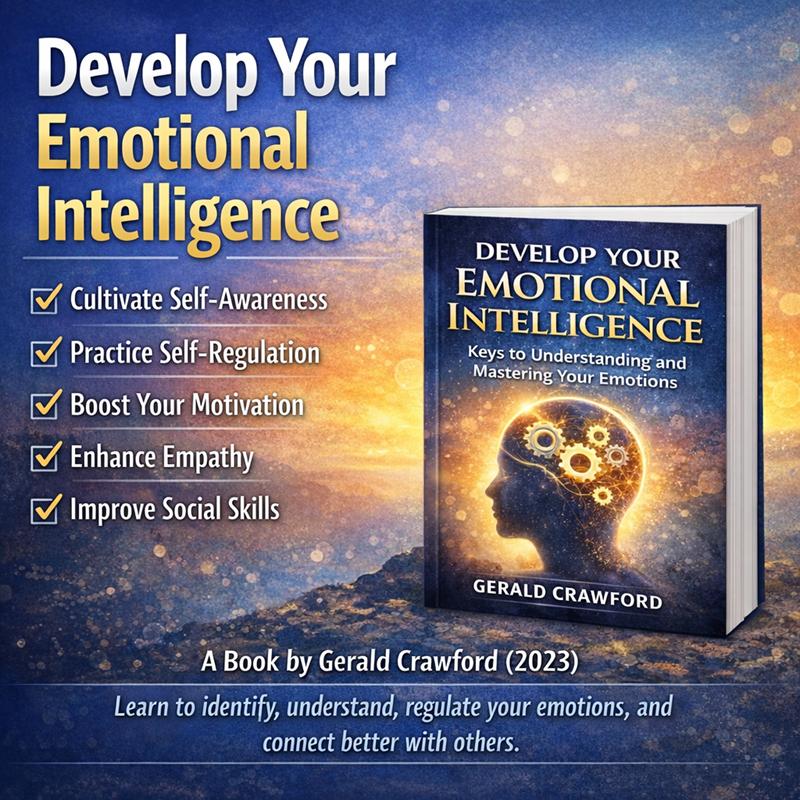
To develop Emotional Intelligence (EI), cultivate self-awareness by identifying and naming your emotions, self-regulation by managing those feelings, motivation by setting goals, empathy by understanding others' perspectives, and improving social skills through active listening and clear communication.

Tag: Emotional Regulation (Page 1 of 2)

Managing Your Emotions with Emotional Regulation

Emotional Regulation

Emotional regulation involves managing and regulating one’s own emotions and the emotions of others.

Emotional regulation is the process of managing and modifying your emotional responses to various situations. It involves being aware of your emotions, taking steps to manage them, and developing strategies to regulate your emotional experiences. Here are some key aspects of emotional regulation and how it can help you manage your emotions:

What is Emotional Regulation?

Emotional regulation is the ability to:

1. Recognize and accept your emotions: Acknowledge and accept your emotions, rather than trying to suppress or deny them.

2. Understand the causes of your emotions: Identify the triggers and causes of your emotions to better manage them.

3. Develop strategies to manage emotions: Use various techniques, such as deep breathing, mindfulness, or physical activity, to manage and regulate your emotions.

4. Modify emotional responses: Learn to modify your emotional responses to situations, rather than simply reacting impulsively.

Benefits of Emotional Regulation

1. Improved Mental Health: Emotional regulation can help reduce symptoms of anxiety, depression, and other mental health conditions.

2. Better Relationships: By managing your emotions, you can communicate more effectively, resolve conflicts, and build stronger relationships.

3. Increased Resilience: Emotional regulation helps you develop coping skills and resilience, enabling you to better handle stress and adversity.

4. Enhanced Performance: Emotional regulation can improve your focus, motivation, and overall performance in various areas of life, such as work or academics.

Techniques for Emotional Regulation

1. Mindfulness and Meditation: Practice mindfulness and meditation to increase awareness of your emotions and thoughts.

2. Deep Breathing: Use deep breathing exercises to calm your mind and body.

3. Physical Activity: Engage in regular physical activity to reduce stress and improve your mood.

4. Grounding Techniques: Use grounding techniques, such as focusing on your five senses, to bring yourself back to the present moment.

5. Cognitive Restructuring: Challenge negative thoughts and reframe them in a more positive, realistic light.

Strategies for Emotional Regulation in Daily Life

1. Self-Monitoring: Regularly monitor your emotions and thoughts to identify patterns and areas for improvement.

2. Emotional Labeling: Label and acknowledge your emotions to process and manage them.

3. Self-Soothing: Use self-soothing techniques, such as progressive muscle relaxation or visualization, to calm yourself.

4. Seek Social Support: Surround yourself with supportive people who can help you regulate your emotions.

5. Practice Self-Care: Engage in activities that bring you joy and help you relax, such as reading, listening to music, or spending time in nature.

Tips for Effective Emotional Regulation

1. Start small: Begin with small, manageable steps, such as taking a few deep breaths or practicing mindfulness for a few minutes a day.

2. Be patient: Emotional regulation is a skill that takes time and practice to develop.

3. Seek professional help: If you’re struggling with intense or overwhelming emotions, consider seeking help from a mental health professional.

4. Practice consistently: Make emotional regulation a regular part of your daily routine, just like brushing your teeth or taking a shower.

By practicing emotional regulation, you can better manage your emotions, improve your relationships, and enhance your overall well-being. Remember to be patient, start small, and seek help when needed to develop effective emotional regulation skills.

Impact of Emotions on Decision-Making – Emotional Regulation

Emotional Regulation: Emotional regulation involves managing and regulating one’s own emotions and the emotions of others.

let’s explore the impact of emotions on decision-making, focusing on emotional regulation. Emotional regulation refers to the ability to manage and modulate our emotional responses to various situations, and it plays a crucial role in decision-making.

What is Emotional Regulation?

Emotional regulation involves the processes by which we manage, modify, and modulate our emotional responses to achieve our goals, well-being, and social norms. It includes strategies such as reappraisal, suppression, and mindfulness to manage our emotional states.

Importance of Emotional Regulation in Decision-Making

1. Reducing Impulsive Decisions: Emotional regulation helps us reduce impulsive decisions by allowing us to take a step back, assess the situation, and consider alternative options.

2. Improving Cognitive Function: Emotional regulation enhances cognitive function by reducing the impact of emotional biases, such as confirmation bias, anchoring bias, and availability heuristic.

3. Increasing Self-Awareness: Emotional regulation increases self-awareness, which is essential for recognizing our emotions, values, and goals, and making decisions that align with them.

4. Enhancing Creativity: Emotional regulation can enhance creativity by allowing us to explore different options, take calculated risks, and consider novel solutions.

5. Fostering Better Relationships: Emotional regulation helps us navigate social situations, build stronger relationships, and communicate more effectively, all of which are essential for making decisions that involve others.

Strategies for Emotional Regulation

1. Mindfulness: Practice mindfulness techniques, such as meditation or deep breathing, to become more aware of your emotions and thoughts.

2. Self-Monitoring: Regularly self-monitor your emotions, thoughts, and physical sensations to recognize patterns and triggers.

3. Reappraisal: Engage in cognitive reappraisal, which involves reinterpreting the meaning of a situation to reduce its emotional impact.

4. Suppression: Use emotional suppression strategies, such as distraction or reframing, to manage intense emotions and prevent impulsive decisions.

5. Emotional Labeling: Label and acknowledge your emotions, which can help reduce their intensity and increase self-awareness.

Examples of Emotional Regulation in Decision-Making

1. Investment Decisions: An investor may use emotional regulation to manage their fear of loss and make more rational investment decisions.

2. Career Choices: A professional may use emotional regulation to manage their anxiety about a new job opportunity and make a more informed decision about their career.

3. Relationship Decisions: A person may use emotional regulation to manage their emotions and make a more rational decision about whether to end a relationship.

4. Health Decisions: A patient may use emotional regulation to manage their anxiety about a medical diagnosis and make a more informed decision about their treatment options.

Benefits of Emotional Regulation in Decision-Making

1. Better Decision Outcomes: Emotional regulation can lead to better decision outcomes by reducing the impact of emotional biases and impulsive decisions.

2. Increased Confidence: Emotional regulation can increase confidence in decision-making by allowing individuals to trust their thoughts, feelings, and values.

3. Improved Well-being: Emotional regulation can improve overall well-being by reducing stress, anxiety, and other negative emotions that can interfere with decision-making.

4. Enhanced Creativity: Emotional regulation can enhance creativity by allowing individuals to explore novel solutions and consider alternative options.

By developing emotional regulation skills, you can make more informed, rational, and effective decisions that align with your goals, values, and well-being.

Overcoming Emotional Challenges – Building resilience and emotional regulation

Building resilience and emotional regulation are essential for overcoming emotional challenges. Here are some strategies that can help:

Building Resilience:

1. Develop a growth mindset: View challenges as opportunities for growth and learning.

2. Practice self-care: Engage in activities that promote physical, emotional, and mental well-being.

3. Build a support network: Surround yourself with positive, supportive people.

4. Learn from failures: Reflect on failures and use them as opportunities to learn and grow.

Emotional Regulation:

1. Recognize and label emotions: Identify and label your emotions to better understand and manage them.

2. Use relaxation techniques: Practice relaxation techniques such as deep breathing, progressive muscle relaxation, and meditation.

3. Engage in physical activity: Regular physical activity can help reduce stress and improve mood.

4. Seek social support: Reach out to friends, family, or a therapist for emotional support.

Strategies for Emotional Regulation:

1. Mindfulness: Practice mindfulness to increase awareness of your thoughts, feelings, and bodily sensations.

2. Grounding techniques: Use grounding techniques such as focusing on your five senses to calm down and regulate your emotions.

3. Emotional expression: Express your emotions in a healthy way, such as through writing, talking, or creative activities.

4. Self-compassion: Treat yourself with kindness, understanding, and patience.

Benefits of Building Resilience and Emotional Regulation:

1. Improved mental health: Building resilience and emotional regulation can improve mental health and well-being.

2. Increased productivity: Developing emotional regulation skills can improve productivity and performance.

3. Better relationships: Building resilience and emotional regulation can improve relationships with others.

Challenges to Building Resilience and Emotional Regulation:

1. Lack of self-awareness: Difficulty recognizing and understanding emotions.

2. Limited access to resources: Limited access to resources such as therapy or support groups.

3. Trauma or adversity: Experiencing trauma or adversity can make it challenging to build resilience and emotional regulation.

Strategies for Overcoming Challenges:

1. Seek professional help: Consider seeking help from a therapist or counselor.

2. Practice self-compassion: Treat yourself with kindness and understanding.

3. Build a support network: Surround yourself with positive, supportive people.

By building resilience and emotional regulation, individuals can develop the skills and strategies needed to overcome emotional challenges and improve their overall well-being.

Emotional Regulation – Building resilience

Building resilience is an essential aspect of emotional regulation. Here are some strategies for building resilience:

Resilience:

1. Definition: Resilience is the ability to bounce back from adversity, trauma, or significant stress.

2. Importance: Resilience is crucial for emotional regulation, as it enables individuals to cope with challenges and setbacks.

Strategies for Building Resilience:

1. Develop a Growth Mindset: View challenges as opportunities for growth and learning.

2. Practice Self-Care: Prioritize self-care activities, such as exercise, meditation, or spending time in nature.

3. Build a Support Network: Surround yourself with supportive people who can provide emotional support and guidance.

4. Develop Problem-Solving Skills: Learn to approach problems in a logical and methodical way.

5. Practice Mindfulness: Cultivate mindfulness through meditation, deep breathing, or other techniques.

Emotional Regulation Strategies:

1. Emotional Awareness: Develop awareness of your emotions and how they impact your behavior.

2. Emotional Regulation: Learn to regulate your emotions, rather than being controlled by them.

3. Cognitive Reappraisal: Reframe negative thoughts and emotions in a more positive and constructive way.

Benefits of Resilience:

1. Improved Emotional Regulation: Resilience can help you regulate your emotions more effectively.

2. Better Coping Skills: Resilience can help you develop better coping skills and adapt to challenging situations.

3. Enhanced Well-being: Resilience can enhance your overall well-being and life satisfaction.

Challenges and Limitations:

1. Difficulty with Emotional Regulation: Emotional regulation can be challenging, especially for individuals with mental health conditions.

2. Limited Access to Resources: Access to resources, such as therapy or support groups, may be limited.

3. Individual Differences: People may respond differently to resilience-building strategies.

By incorporating these strategies into daily life, individuals can build resilience, improve emotional regulation, and enhance overall well-being.

Emotional Regulation – Managing stress and anxiety

Emotional regulation is a crucial aspect of managing stress and anxiety. Here are some strategies for managing stress and anxiety:

Stress and Anxiety:

1. Definition: Stress and anxiety are normal emotional responses to perceived threats or challenges.

2. Impact: Chronic stress and anxiety can lead to physical and mental health problems.

Emotional Regulation Strategies:

1. Deep Breathing: Focus on slow, deep breaths to calm the body and mind.

2. Mindfulness: Practice present-moment awareness to reduce stress and anxiety.

3. Physical Activity: Engage in regular physical activity to reduce stress and anxiety.

4. Social Support: Seek support from friends, family, or a therapist.

Cognitive-Behavioral Therapy (CBT):

1. Identify Negative Thoughts: Recognize and challenge negative thoughts that contribute to stress and anxiety.

2. Reframe Negative Thoughts: Replace negative thoughts with more balanced, constructive ones.

3. Develop Coping Skills: Learn new coping skills and strategies to manage stress and anxiety.

Additional Strategies:

1. Relaxation Techniques: Practice relaxation techniques, such as progressive muscle relaxation or visualization.

2. Time Management: Improve time management skills to reduce stress and anxiety.

3. Self-Care: Prioritize self-care activities, such as getting enough sleep, eating a healthy diet, and engaging in enjoyable activities.

Benefits of Emotional Regulation:

1. Reduced Stress and Anxiety: Emotional regulation can help reduce stress and anxiety.

2. Improved Mental Health: Emotional regulation can improve mental health and well-being.

3. Enhanced Relationships: Emotional regulation can improve relationships with others.

Challenges and Limitations:

1. Difficulty with Self-Awareness: Developing self-awareness can be challenging.

2. Limited Access to Resources: Access to resources like therapy or social support may be limited.

3. Individual Differences: People may respond differently to emotional regulation strategies.

By incorporating these strategies into daily life, individuals can develop better emotional regulation skills, leading to improved mental health and well-being.

« Older posts
Back a Buddy Show your Support