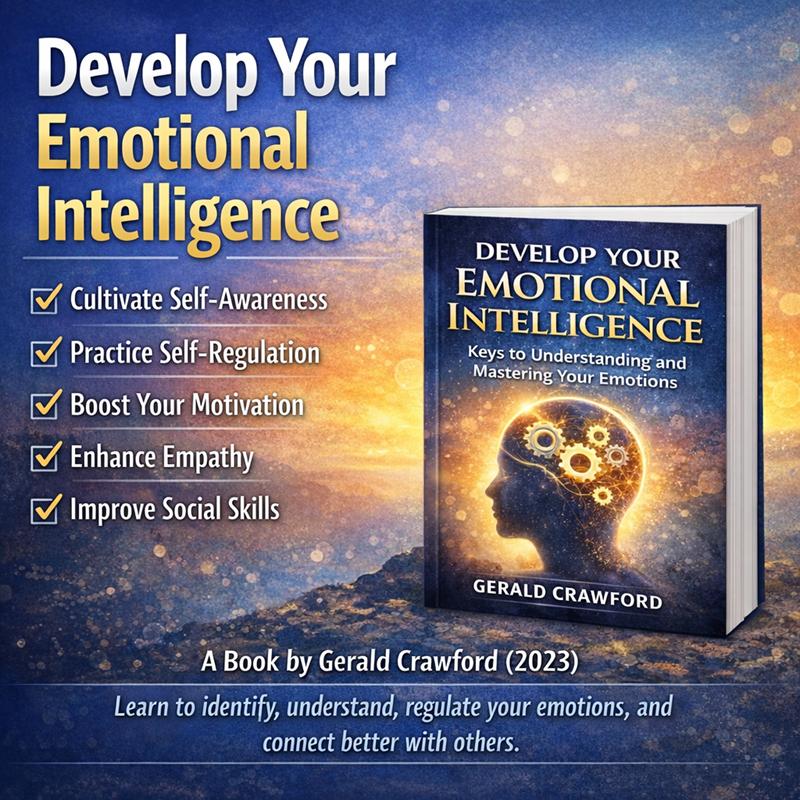
To develop Emotional Intelligence (EI), cultivate self-awareness by identifying and naming your emotions, self-regulation by managing those feelings, motivation by setting goals, empathy by understanding others' perspectives, and improving social skills through active listening and clear communication.

Tag: Emotional Intelligence and Leadership

Emotional Intelligence and Leadership – Building a positive and productive team through emotional intelligence

Developing emotional intelligence (EI) as a leader is crucial for effective leadership, as it enables leaders to understand and manage their own emotions, as well as the emotions of their team members. Here are some strategies for developing EI as a leader:

Self-Awareness:

1. Reflect on your emotions: Take time to reflect on your emotions, values, and motivations.

2. Identify your strengths and weaknesses: Identify your strengths and weaknesses, and be honest with yourself about areas for improvement.

3. Practice mindfulness: Practice mindfulness to increase your self-awareness and emotional regulation.

Empathy:

1. Put yourself in others’ shoes: Try to see things from others’ perspectives and understand their feelings.

2. Listen actively: Listen actively to others, and show that you care about their concerns.

3. Be open-minded: Be open-minded and non-judgmental, and try to understand others’ viewpoints.

Communication:

1. Communicate clearly and effectively: Communicate clearly and effectively, avoiding misunderstandings and conflicts.

2. Use “I” statements: Use “I” statements to express your thoughts and feelings, rather than “you” statements that can come across as accusatory.

3. Be transparent: Be transparent and honest in your communication, and be willing to share information and feedback.

Benefits of EI in Leadership:

1. Improved leadership effectiveness: EI can help leaders to lead more effectively, making informed decisions and building stronger relationships.

2. Increased employee engagement: EI can help leaders to motivate and engage their team members, leading to increased job satisfaction and reduced turnover.

3. Better communication: EI can help leaders to communicate more effectively, avoiding misunderstandings and conflicts.

Challenges to EI in Leadership:

1. Emotional labor: Leaders may struggle to manage their emotions, leading to burnout and decreased job satisfaction.

2. Conflicting priorities: Leaders may face conflicting priorities, making it challenging to manage their emotions and relationships.

3. Limited resources: Leaders may not have access to resources, such as training or support, to develop their EI.

Strategies for Overcoming Challenges:

1. Emotional intelligence training: Provide leaders with EI training, helping them to develop their EI and lead more effectively.

2. Coaching and feedback: Provide leaders with coaching and feedback on their EI, helping them to improve their skills.

3. Encourage self-care: Encourage leaders to prioritize self-care, reducing stress and improving emotional well-being.

By developing EI, leaders can improve their leadership effectiveness, build stronger relationships with their team members, and achieve greater success.

Emotional Intelligence and Leadership – Strategies for developing emotional intelligence as a leader: self-awareness, empathy, and communication

Developing emotional intelligence (EI) as a leader is crucial for effective leadership, as it enables leaders to understand and manage their own emotions, as well as the emotions of their team members. Here are some strategies for developing EI as a leader:

Self-Awareness:

1. Reflect on your emotions: Take time to reflect on your emotions, values, and motivations.

2. Identify your strengths and weaknesses: Identify your strengths and weaknesses, and be honest with yourself about areas for improvement.

3. Practice mindfulness: Practice mindfulness to increase your self-awareness and emotional regulation.

Empathy:

1. Put yourself in others’ shoes: Try to see things from others’ perspectives and understand their feelings.

2. Listen actively: Listen actively to others, and show that you care about their concerns.

3. Be open-minded: Be open-minded and non-judgmental, and try to understand others’ viewpoints.

Communication:

1. Communicate clearly and effectively: Communicate clearly and effectively, avoiding misunderstandings and conflicts.

2. Use “I” statements: Use “I” statements to express your thoughts and feelings, rather than “you” statements that can come across as accusatory.

3. Be transparent: Be transparent and honest in your communication, and be willing to share information and feedback.

Benefits of EI in Leadership:

1. Improved leadership effectiveness: EI can help leaders to lead more effectively, making informed decisions and building stronger relationships.

2. Increased employee engagement: EI can help leaders to motivate and engage their team members, leading to increased job satisfaction and reduced turnover.

3. Better communication: EI can help leaders to communicate more effectively, avoiding misunderstandings and conflicts.

Challenges to EI in Leadership:

1. Emotional labor: Leaders may struggle to manage their emotions, leading to burnout and decreased job satisfaction.

2. Conflicting priorities: Leaders may face conflicting priorities, making it challenging to manage their emotions and relationships.

3. Limited resources: Leaders may not have access to resources, such as training or support, to develop their EI.

Strategies for Overcoming Challenges:

1. Emotional intelligence training: Provide leaders with EI training, helping them to develop their EI and lead more effectively.

2. Coaching and feedback: Provide leaders with coaching and feedback on their EI, helping them to improve their skills.

3. Encourage self-care: Encourage leaders to prioritize self-care, reducing stress and improving emotional well-being.

By developing EI, leaders can improve their leadership effectiveness, build stronger relationships with their team members, and achieve greater success.

Emotional Intelligence and Leadership – The importance of emotional intelligence in leadership

Emotional intelligence (EI) is crucial for effective leadership, as it enables leaders to understand and manage their own emotions, as well as the emotions of their team members. Here are some key aspects of EI in leadership:

Why is EI Important in Leadership?

1. Improved relationships: EI helps leaders build strong relationships with their team members, which can improve communication, collaboration, and productivity.

2. Better decision-making: EI enables leaders to make informed decisions, taking into account the emotional and social implications of their actions.

3. Increased employee engagement: EI helps leaders to motivate and engage their team members, leading to increased job satisfaction and reduced turnover.

Key Components of EI in Leadership:

1. Self-awareness: Leaders are aware of their own emotions, values, and motivations.

2. Emotional regulation: Leaders can manage their own emotions, impulses, and behaviors.

3. Empathy: Leaders can understand and share the feelings of their team members.

4. Social skills: Leaders can communicate effectively, build relationships, and manage conflicts.

Benefits of EI in Leadership:

1. Improved leadership effectiveness: EI can help leaders to lead more effectively, making informed decisions and building stronger relationships.

2. Increased employee satisfaction: EI can help leaders to motivate and engage their team members, leading to increased job satisfaction and reduced turnover.

3. Better communication: EI can help leaders to communicate more effectively, avoiding misunderstandings and conflicts.

Challenges to EI in Leadership:

1. Emotional labor: Leaders may struggle to manage their emotions, leading to burnout and decreased job satisfaction.

2. Conflicting priorities: Leaders may face conflicting priorities, making it challenging to manage their emotions and relationships.

3. Limited resources: Leaders may not have access to resources, such as training or support, to develop their EI.

Strategies for Developing EI in Leadership:

1. Emotional intelligence training: Provide leaders with EI training, helping them to develop their EI and lead more effectively.

2. Coaching and feedback: Provide leaders with coaching and feedback on their EI, helping them to improve their skills.

3. Self-reflection: Encourage leaders to engage in self-reflection, helping them to develop their self-awareness and emotional regulation.

By developing EI, leaders can improve their leadership effectiveness, build stronger relationships with their team members, and achieve greater success.

Back a Buddy Show your Support