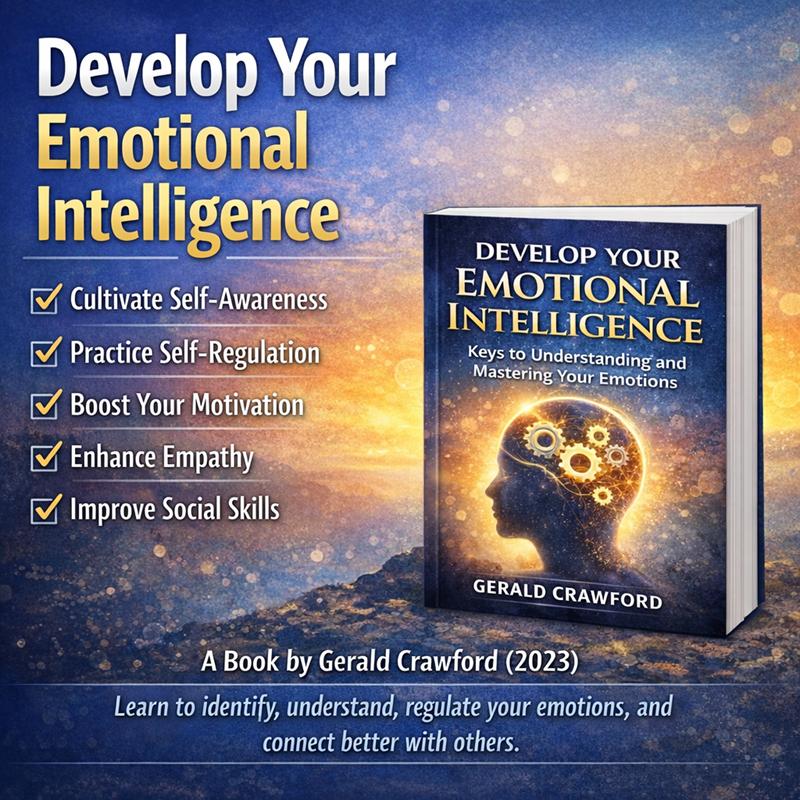
To develop Emotional Intelligence (EI), cultivate self-awareness by identifying and naming your emotions, self-regulation by managing those feelings, motivation by setting goals, empathy by understanding others' perspectives, and improving social skills through active listening and clear communication.

Tag: Emotional Intelligence

Real-world examples of how Emotional Intelligence has improved lives

To help illustrate the practical applications and benefits of Emotional Intelligence (EI), let’s explore some real-world examples and case studies of how EI has improved people’s lives.

These examples are categorized into different aspects of EI, including self-awarenessself-regulationmotivationempathy, and social skills.

Real-World Examples of Emotional Intelligence in Action

The following examples demonstrate how EI can be applied in various contexts to achieve positive outcomes:

Self-Awareness

Steve Jobs: Co-founder of Apple, known for his intense passion and perfectionism. However, his lack of EI led to difficulties in managing his emotions and relationships. After a temporary departure from Apple, Jobs developed his EI through self-reflection and meditation, which helped him become a more effective and empathetic leader.

Self-Regulation

Richard Branson: Founder of Virgin Group, Branson credits his EI for his ability to manage stress and stay calm under pressure. He practices mindfulness and meditation to regulate his emotions and maintain a positive outlook.

Motivation

Arianna Huffington: Founder of The Huffington Post, Huffington emphasizes the importance of EI in her success. She prioritizes self-care, including sleep, exercise, and meditation, to maintain her motivation and focus.

Empathy

Satya Nadella: CEO of Microsoft, Nadella transformed the company’s culture by prioritizing empathy and collaboration. He encourages employees to share their perspectives and listens actively to their concerns, fostering a more positive and inclusive work environment.

Social Skills

Oprah Winfrey: Media executive and former talk show host, Winfrey credits her EI for her ability to connect with people from diverse backgrounds. She practices active listening and empathy to build strong relationships with her guests, audience, and colleagues.

Case Studies: Emotional Intelligence in Action

The following case studies provide more in-depth examples of how EI can be applied in different contexts:

Case Study 1: EI in Leadership – Satya Nadella (Microsoft)

Background: Nadella became CEO of Microsoft in 2014, tasked with transforming the company’s culture.

EI Application: Nadella prioritized empathy and active listening, encouraging employees to share their perspectives and concerns.

Outcome: Microsoft’s culture shifted towards a more collaborative and innovative environment, leading to increased employee engagement and improved business performance.

Case Study 2: EI in Conflict Resolution – A Manager’s Story

Background: A manager at a marketing firm struggled with conflict resolution, often escalating issues with team members.

EI Application: The manager practiced empathy, active listening, and self-regulation to better understand and manage their emotions.

Outcome: The manager became more effective in resolving conflicts, leading to improved team dynamics and increased productivity.

Case Study 3: EI in Personal Relationships – A Mother’s Story

Background: A mother struggled to connect with her teenage daughter, leading to frequent arguments and stress.

EI Application: The mother practiced empathy, active listening, and self-awareness to better understand her daughter’s perspective and emotions.

Outcome: The mother and daughter developed a stronger, more empathetic relationship, reducing conflict and improving communication.

Case Study 4: EI in Customer Service – A Company’s Story

Background: A company struggled with customer complaints and negative reviews.

EI Application: The company trained employees in EI, focusing on empathy, active listening, and self-regulation.

Outcome: Customer satisfaction improved significantly, with a reduction in complaints and an increase in positive reviews.

By examining these real-world examples and case studies, we can see how EI can be applied in various contexts to achieve positive outcomes. Developing EI can lead to improved relationships, increased productivity, and enhanced overall well-being.


Introduction to Emotional Intelligence – Definition of emotional intelligence

Emotional intelligence (EI) refers to the ability to recognize and understand emotions in oneself and others, and to use this awareness to guide thought and behavior. Here’s a comprehensive introduction to EI:

Definition of Emotional Intelligence:

Emotional intelligence is the capacity to:

1. Recognize and understand emotions: Identify and comprehend emotions in oneself and others, including the subtleties of emotional expression.

2. Use emotions to guide thought and behavior: Harness emotions to inform decision-making, problem-solving, and interactions with others.

3. Manage and regulate emotions: Effectively manage and regulate one’s own emotions, as well as respond to the emotions of others.

Key Components of Emotional Intelligence:

1. Self-Awareness: The ability to recognize and understand one’s own emotions, values, and motivations.

2. Self-Regulation: The ability to control and manage one’s own emotions, impulses, and behaviors.

3. Motivation: The ability to use emotions to drive motivation, achieve goals, and pursue personal growth.

4. Empathy: The ability to recognize and understand the emotions, needs, and perspectives of others.

5. Social Skills: The ability to effectively communicate, interact, and build relationships with others.

Benefits of Emotional Intelligence:

1. Improved relationships: EI helps individuals build stronger, more meaningful relationships with others.

2. Enhanced decision-making: EI enables individuals to make more informed decisions, taking into account their own emotions and the emotions of others.

3. Increased self-awareness: EI promotes self-awareness, allowing individuals to better understand their own strengths, weaknesses, and emotions.

4. Reduced stress and anxiety: EI helps individuals manage stress and anxiety, leading to improved mental health and well-being.

Theoretical Frameworks:

1. The Mayer-Salovey-Caruso Model: This model proposes that EI consists of four branches: perceiving emotions, using emotions to facilitate thought, understanding emotions, and managing emotions.

2. The Goleman Model: This model proposes that EI consists of five components: self-awareness, self-regulation, motivation, empathy, and social skills.

Assessments and Tools:

1. Emotional Intelligence Quotient (EQ-i): A widely used assessment tool that measures EI across various domains.

2. Mayer-Salovey-Caruso Emotional Intelligence Test (MSCEIT): A research-based assessment that evaluates EI across four branches.

By understanding and developing emotional intelligence, individuals can improve their relationships, decision-making, and overall well-being.

Practical Strategies and Techniques for developing Emotional Intelligence

Emotional intelligence (EI) is crucial for personal and professional growth. Here are some practical strategies and techniques to help develop EI:

Self-Awareness

1. Self-reflection: Schedule regular time for introspection, journaling, or meditation to understand your emotions, values, and motivations.

2. Identify your emotions: Recognize and label your emotions throughout the day, exploring their causes and effects.

3. Seek feedback: Ask trusted friends, family, or colleagues for their honest opinions about your strengths, weaknesses, and areas for improvement.

Self-Regulation

1. Mindfulness: Practice mindfulness techniques, such as deep breathing, to calm your mind and regulate your emotions.

2. Emotional labeling: Acknowledge and label your emotions to detach from them and respond more thoughtfully.

3. Take breaks: Regularly take short breaks to recharge and prevent emotional exhaustion.

Motivation

1. Set goals: Establish clear, achievable goals that align with your values and passions.

2. Celebrate successes: Acknowledge and celebrate your accomplishments to build confidence and motivation.

3. Find meaning: Connect with the purpose behind your work or activities to boost motivation and engagement.

Empathy

1. Active listening: Focus on fully understanding others, asking open-ended questions, and paraphrasing their concerns.

2. Perspective-taking: Imagine yourself in others’ shoes to better understand their thoughts, feelings, and needs.

3. Ask for feedback: Encourage others to share their thoughts and feelings about your interactions.

Social Skills

1. Effective communication: Practice clear, concise, and respectful communication to build strong relationships.

2. Conflict resolution: Develop skills to manage conflicts constructively, focusing on finding mutually beneficial solutions.

3. Build relationships: Nurture professional and personal relationships by showing genuine interest and empathy.

Additional Techniques

1. Practice gratitude: Reflect on the things you’re thankful for each day to cultivate a positive mindset.

2. Develop a growth mindset: View challenges as opportunities for growth and learning.

3. Seek mentorship: Find a role model or mentor who can offer guidance and support.

Remember, developing emotional intelligence takes time, effort, and practice. Be patient, kind, and compassionate with yourself as you work on these strategies and techniques.

2 Day Emotional Intelligence Development Program for Group’s

Our next live event will be in Bloemfontein on the 24, 25/04/2026


Here is an outline for a 2-day Emotional Intelligence (EI) development program for corporate companies:

Day 1: Understanding Emotional Intelligence

Morning Session (9:00 am – 12:00 pm)

1. Introduction to Emotional Intelligence (30 minutes)

* Definition and importance of EI

* Benefits of EI in the workplace and in life

2. Self-Awareness (45 minutes)

* Understanding personal emotions and values

* Identifying strengths and weaknesses

3. Emotional Intelligence Assessment (45 minutes)

* Participants take a validated EI assessment tool (e.g., EQ-i, MSCEIT)

Afternoon Session (1:00 pm – 4:00 pm)

1. Emotional Regulation (45 minutes)

* Understanding and managing personal emotions

* Strategies for effective emotional regulation

2. Empathy and Social Skills (45 minutes)

* Understanding and developing empathy

* Building effective communication and relationships

3. Group Exercise: Active Listening and Empathy (30 minutes)

Day 2: Applying Emotional Intelligence in the Workplace

Morning Session (9:00 am – 12:00 pm)

1. Emotional Intelligence in Leadership (45 minutes)

* The role of EI in effective leadership

* Strategies for leading with EI

2. Conflict Resolution and EI (45 minutes)

* Understanding and managing conflict

* Using EI to resolve conflicts effectively

3. Group Exercise: Conflict Resolution Role-Play (30 minutes)

Afternoon Session (1:00 pm – 4:00 pm)

1. Emotional Intelligence and Team Performance (45 minutes)

* The impact of EI on team performance

* Strategies for building a high-EI team

2. Creating an EI-Friendly Work Culture (45 minutes)

* Understanding the importance of EI in the workplace

* Strategies for creating a supportive work environment

3. Action Planning and Next Steps (30 minutes)

* Participants create a personal action plan to apply EI skills in their work

* Handing over of the Attendance and Successful Completion Certificate

Program Evaluation

* Participants will receive a feedback report on their EI assessment

* Participants will evaluate the program and provide feedback for future improvements

Program Facilitation

* The program will be facilitated by an experienced EI trainer or coach

* The facilitator will provide engaging presentations, group exercises, and opportunities for reflection and feedback

Program Materials

* Participants will receive a comprehensive program manual, including:

+ EI assessment report

+ Program slides and notes

+ EI development resources and tips

This is just a suggested outline, and the program can be tailored to meet the specific needs and goals of your organization.

Cost and Investment

The cost of the program is R1600 per participant minimum 8 pax – maximum 90 pax.

* You supply the venue, refreshment’s and lunch.

* I supply all the information and guide you over two days to Develop Your Emotional Intelligence.

To Book this 2 Day Emotional Intelligence Development Program for your company please e-mail me at: 2dayprogram@emotional-intelligence.co.za.

Quicket Booking and Payment Platform: https://www.quicket.co.za/events/355237-2-day-emotional-intelligence-development-program-in-bloemfontein/#/

Back a Buddy Show your Support