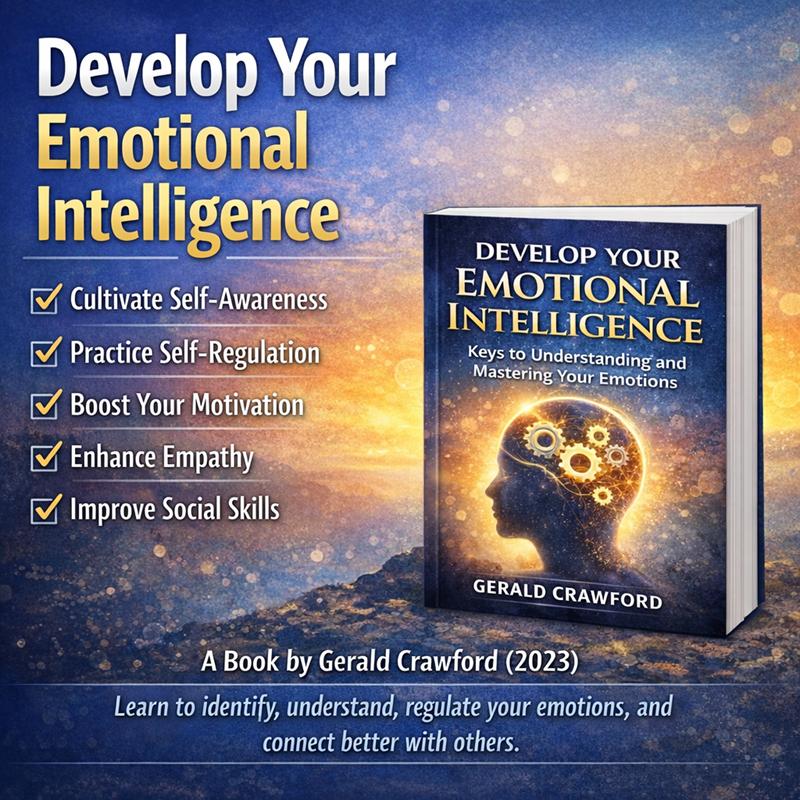
To develop Emotional Intelligence (EI), cultivate self-awareness by identifying and naming your emotions, self-regulation by managing those feelings, motivation by setting goals, empathy by understanding others' perspectives, and improving social skills through active listening and clear communication.

Tag: Do you react impulsively when emotions run high?

Question and Answer: Do you react impulsively when emotions run high? How can I address this by development my Emotional Intelligence?

Q: Do you react impulsively when emotions run high?

A: Many people struggle with impulsive reactions—snapping at others, shutting down, saying things they later regret, or making quick decisions fueled by stress or frustration.
This happens because strong emotions overwhelm the brain’s ability to pause, think, and respond intentionally.

Impulsivity under emotional pressure is not a character flaw; it’s a sign that your Emotional Intelligence (EI)—especially emotional regulation—needs strengthening.


Q: How can I address impulsive reactions by developing my Emotional Intelligence?

Developing Emotional Intelligence gives you tools to pause, understand, and choose your responses instead of reacting automatically. Here’s how each EI skill helps:


1. Strengthen Self-Awareness

Impulsive reactions often happen because you don’t notice emotional escalation until it’s too late.

EI Practices:

  • Identify your early emotional “warning signs” (tight chest, fast speech, irritability).
  • Label your emotions in the moment: “I’m frustrated,” “I’m overwhelmed.”
  • Reflect afterward: “What triggered that reaction?”

Why it works:
Naming emotions lowers their intensity and gives you back cognitive control.


2. Improve Self-Management

This is the core skill for reducing impulsivity.

EI Practices:

  • Use the PAUSE technique: Stop → Breathe → Think → Choose.
  • Take a brief time-out before responding.
  • Count to 10 or take slow deep breaths to calm the nervous system.
  • Practice grounding techniques like feeling your feet on the floor or relaxing your shoulders.

Why it works:
It creates a gap between emotions and actions—giving you space to respond thoughtfully.


3. Build Social Awareness (Empathy)

Understanding others’ feelings helps you react with consideration rather than impulse.

EI Practices:

  • Ask yourself: “How is the other person feeling right now?”
  • Look for emotional cues in tone and body language.
  • Pause to consider the impact your reaction may have.

Why it works:
Empathy slows down emotional reactivity and encourages a more measured response.


4. Strengthen Relationship Management

Emotional Intelligence helps you communicate clearly and respectfully, even under stress.

EI Practices:

  • Use “I” statements to express difficult feelings without attacking.
  • Practice assertiveness: calm, clear, grounded communication.
  • Repair quickly when you react impulsively: “I apologize — that reaction wasn’t helpful.”

Why it works:
It preserves trust and reduces conflict, even during emotionally charged moments.


Practical EI Tools to Reduce Impulsive Reactions

  • The 90-Second Rule Let emotional intensity rise and fall for 90 seconds before acting.
  • Emotional Journaling Track triggers, reactions, and what you wish you’d done differently.
  • Breathing Reset 4-second inhale → 6-second exhale to calm the nervous system.
  • Reframe Your Thoughts Ask: “What is a more helpful way to see this situation?”

Set Intentions Before difficult conversations:

“I will stay calm. I will listen first. I will respond thoughtfully.”


What benefits will I see by building EI to manage impulsive reactions?

You will experience:

  • More control during emotional moments
  • Fewer regrets after reacting
  • Healthier communication
  • Less conflict
  • Improved relationships
  • Higher confidence
  • Better decision-making under stress
  • A stronger sense of emotional stability

Question and Answer: Do you react impulsively when emotions run high? How can I address this by development my Emotional Intelligence?

Q: Do you react impulsively when emotions run high? What does this mean?

A: Impulsive reactions happen when emotions override your ability to think clearly before responding. This often looks like:

  • Saying things you regret
  • Making quick decisions without thinking them through
  • Interrupting others or raising your voice
  • Acting defensively or emotionally “lashing out”
  • Sending messages or emails in the heat of the moment
  • Overcommitting emotionally or withdrawing suddenly

These reactions don’t mean you’re incapable — they simply show that your emotional system is taking the lead before your reasoning brain has time to engage.

This is a common sign of challenges with Emotional Intelligence, particularly in the areas of self-awareness and self-management.


Q: How can developing Emotional Intelligence help reduce impulsive reactions?

EI strengthens the connection between emotion and action so you respond thoughtfully instead of reactively.
Here’s how each EI skill helps:


1. Self-Awareness

Understanding your emotional triggers and early warning signs.

How it helps:

  • You catch yourself before you react impulsively.
  • You notice physical cues (tight chest, fast heart, heat rising).
  • You recognize patterns: “This situation always triggers me.”

Try:

  • Pause and mentally label the emotion: “I’m feeling overwhelmed right now.”
  • Track which situations lead to impulsive reactions.

2. Self-Management

Calming your emotional response and slowing your reaction time.

How it helps:

  • Gives your brain space to choose your response.
  • Reduces emotional hijacks and knee-jerk reactions.
  • Helps you stay level-headed under pressure.

Try:

  • The 6-second pause — emotions physiologically last about 6 seconds before they peak.
  • Slow breathing to engage the rational part of your brain.
  • Step away briefly before responding.
  • Use a rehearse phrase: “Let me think about that for a moment.”

3. Social Awareness (Empathy)

Understanding how others feel in the moment.

How it helps:

  • Reduces reactions based on assumptions or defensiveness.
  • Helps you interpret others’ emotions more accurately.
  • Makes you less likely to personalize someone else’s tone or behavior.

Try:

  • Ask yourself: “What might they be feeling or trying to say?”
  • Listen to understand, not to react.

4. Relationship Management

Communicating calmly and constructively when emotions are high.

How it helps:

  • Allows you to express yourself without escalation.
  • Prevents conflict or misunderstandings caused by impulsive responses.
  • Strengthens trust and stability in your relationships.

Try:

  • Use “I” statements rather than blame.
  • Suggest a pause or reschedule if emotions are high.
  • Practice active listening to slow the interaction naturally.

Q: What practical Emotional Intelligence techniques can help me stop reacting impulsively?

1. The “Pause → Name → Reframe → Respond” method

  • Pause: Stop the immediate reaction.
  • Name: Identify the emotion you’re feeling.
  • Reframe: Challenge assumptions or emotional stories.
  • Respond: Choose the most constructive response.

2. Create a personal “cooling off” ritual

This could include:

  • A short walk
  • Breathing exercises
  • Counting backward
  • Drinking water
  • Pausing messaging or email responses

3. Practice emotional delay

If you feel a surge of emotion, delay your response intentionally:

  • “Let me think about this and come back to you.”
  • “I want to respond clearly — give me a moment.”

4. Use “stop phrases” internally

Examples:

  • “Not now.”
  • “Pause.”
  • “This is temporary.”
  • “I can choose how I respond.”

5. Build trigger awareness

Reflect on:

  • Which people or situations trigger impulsive reactions
  • What time of day you are most reactive
  • What underlying emotions drive your reactions (fear, pressure, exhaustion, feeling unheard)

Understanding your triggers reduces their power.


Q: What benefits will I see as my Emotional Intelligence grows?

You can expect to:

  • Respond more calmly under stress
  • Reduce emotional outbursts and regrets
  • Make better decisions
  • Strengthen your relationships
  • Feel more in control and confident
  • Navigate conflict with more clarity and maturity
  • Build a more stable emotional foundation

Improving EI doesn’t erase strong emotions — it teaches you to handle them with intention rather than impulse.

Back a Buddy Show your Support