
Q: Do you have a low empathy threshold? What does this mean?
A: Having a low empathy threshold means you often struggle to:
- Understand what others are feeling
- Appreciate perspectives different from your own
- Recognize emotional cues or subtle signals
- Stay patient with others’ emotions
- Respond compassionately during conflict
- Connect emotionally in conversations
- Build trust or rapport easily
You may notice:
- You become irritated by others’ emotions
- You focus more on facts than feelings
- You feel confused by emotional reactions
- You tend to judge rather than understand
- You want problems solved quickly rather than discussed
- You unintentionally come across as cold or dismissive
A low empathy threshold doesn’t mean you don’t care — it usually means you aren’t yet comfortable navigating emotional experiences (your own or others’).
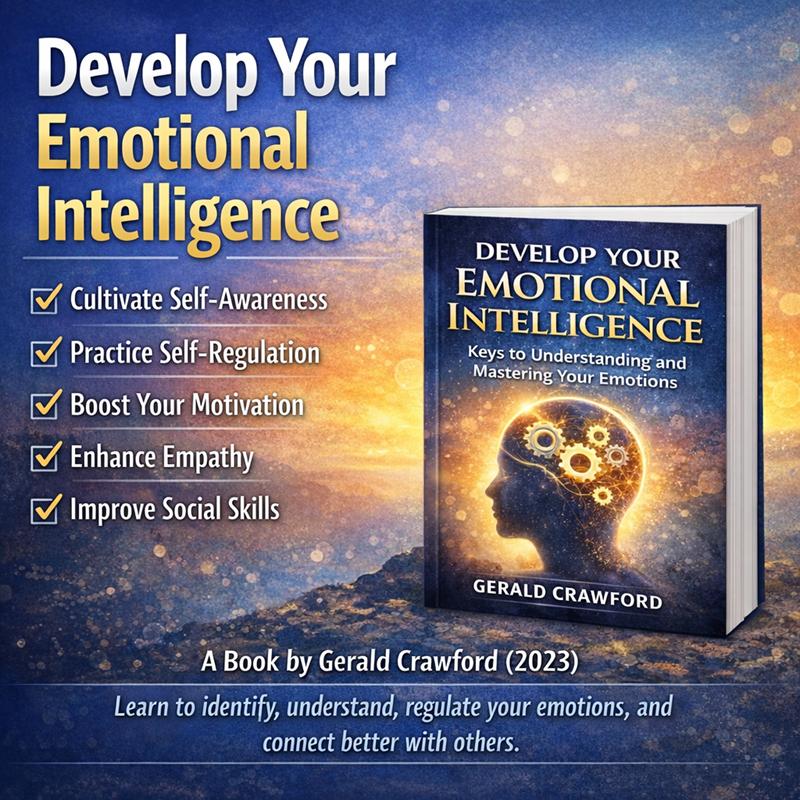
Developing Emotional Intelligence, especially the empathy component, can significantly improve how you connect, lead, and collaborate.
Q: How can developing Emotional Intelligence help improve empathy?
EI helps you recognize and manage your own emotions, which makes it easier to understand and respond to others’.
Each EI skill supports empathy in a different way:
1. Self-Awareness
Recognizing your own emotional reactions and limits.
How it helps increase empathy:
- Helps you understand why certain emotions in others trigger discomfort
- Increases awareness of your own biases or judgments
- Allows you to distinguish your emotions from someone else’s
- Helps you notice when you shut down emotionally
Try:
- Ask yourself: “Why is their emotion hard for me to deal with?”
- Reflect on moments when you felt disconnected from others
- Label your own emotions to build emotional vocabulary
2. Self-Management
Regulating your emotional responses so you can stay present with others.
How it helps increase empathy:
- Reduces impatience, irritation, or defensiveness
- Helps you stay calm even when emotions run high
- Allows you to listen without feeling overwhelmed
- Helps you respond thoughtfully instead of shutting down
Try:
- Slow your breathing during emotional conversations
- Pause instead of reacting quickly
- Use grounding techniques to stay composed
- Remind yourself: “This is about understanding, not fixing.”
3. Social Awareness (Empathy)
Understanding others’ emotions, perspectives, and signals.
How it helps increase empathy:
- Helps you read emotional cues, even subtle ones
- Improves your ability to see situations from another viewpoint
- Encourages curiosity rather than judgment
- Deepens connection and trust with others
Try:
- Ask open-ended questions: “How are you feeling about this?”
- Notice tone, body language, and facial expressions
- Imagine how the situation might feel if you were in their shoes
- Use validating statements: “I can see why that would be difficult.”
4. Relationship Management
Using empathy to build stronger, healthier interactions.
How it helps increase empathy:
- Improves communication and reduces conflict
- Helps you support others without being overwhelmed
- Encourages patience, collaboration, and emotional support
- Creates a safe space for honest conversations
Try:
- Practice reflective listening (“What I hear you saying is…”)
- Offer support without trying to “fix” emotions
- Approach conflict with curiosity, not blame
- Share your understanding before offering solutions
Q: What practical Emotional Intelligence strategies can help me increase empathy?
1. Practice active listening
- Focus fully on the speaker.
- Avoid interrupting.
- Repeat back what you understood.
- Ask clarifying questions.
2. Use the “Pause → Observe → Connect” method
- Pause your own reactions
- Observe the other person’s tone, expression, and words
- Connect emotionally by acknowledging their experience
3. Ask perspective-shifting questions
- “What might they be feeling right now?”
- “How would I feel if I were in their position?”
- “What else might be going on behind their behavior?”
4. Strengthen your emotional vocabulary
The more emotions you understand, the easier it is to empathize.
5. Train your mind to seek understanding instead of evaluation
Shift from:
- “Why are they acting like this?” → “What’s driving this emotion?”
- “They’re overreacting.” → “This feels important to them for a reason.”
6. Slow down in emotional conversations
Empathy often requires patience.
Give others time to express themselves before responding.
Q: What benefits will I see as I improve my empathy through EI?
You will experience:
- Stronger relationships and deeper connections
- More trust and respect from others
- Improved communication and collaboration
- Reduced conflict and misunderstandings
- Greater emotional insight and social awareness
- More effective leadership and influence
- A calmer, more patient presence
- Increased personal and professional success
When you raise your empathy threshold through Emotional Intelligence, you become someone people feel safe with, supported by, and willing to work closely with — and that improves performance across all areas of life.




Recent Comments