
Q: Do you experience stress? What is stress exactly?
A: Stress is your body and mind’s natural response to pressure, demands, or perceived threats.
You might feel stressed when you have too much on your plate, feel uncertain about the future, or don’t feel in control of a situation.
Common signs of stress include:
- Worry or racing thoughts
- Tension in the body
- Difficulty sleeping
- Irritability or being easily frustrated
- Feeling overwhelmed
- Trouble concentrating
- Headaches or fatigue
Experiencing stress is normal — but when it becomes constant, it affects your emotional well-being and performance.
Q: How can developing Emotional Intelligence help me address stress?
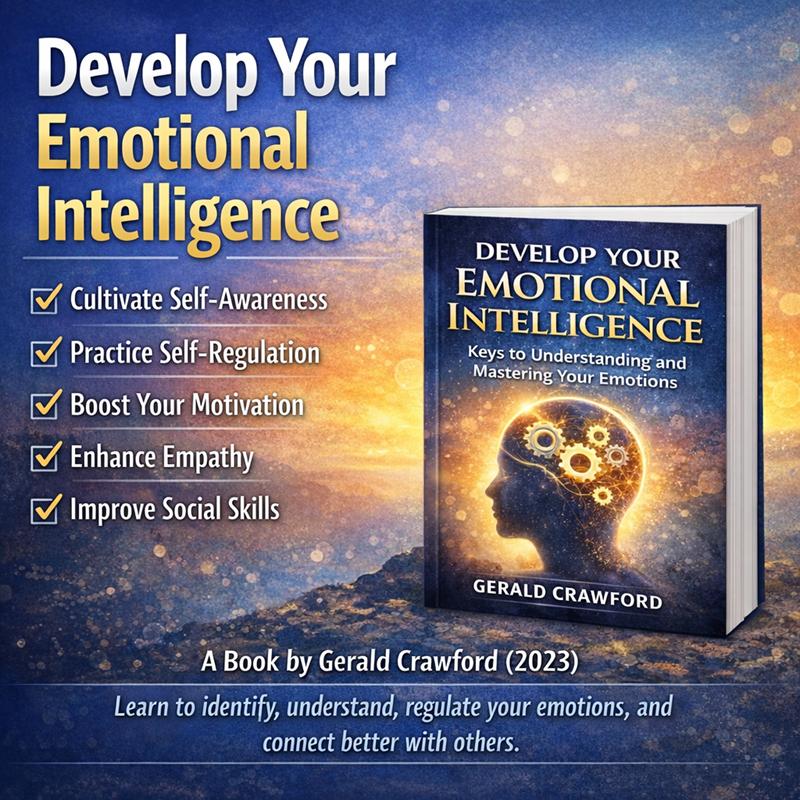
Emotional Intelligence (EI) helps you understand, manage, and use your emotions in a healthier way.
Stronger EI = better stress management.
EI is typically broken into four key areas. Here’s how each one helps reduce stress:
1. Self-Awareness
This is recognizing your emotions, thoughts, and stress signals.
How it helps reduce stress:
- You notice early signs of stress instead of ignoring them.
- You understand what triggers your stress.
- You make better choices to protect your well-being.
Practical actions:
- Do quick check-ins: “What am I feeling right now?”
- Identify patterns — when and where does stress peak?
- Label your emotions (e.g., “I’m tense,” “I’m worried”). Naming emotions instantly reduces intensity.
2. Self-Management
This is your ability to control your reactions and stay calm under pressure.
How it helps reduce stress:
- You’re less likely to react impulsively.
- You cope with challenges more effectively.
- You create space to think clearly rather than emotionally.
Practical actions:
- Try grounding or breathing techniques.
- Practice pausing before responding when stressed.
- Build healthy routines for sleep, rest, and physical activity.
- Set boundaries so you don’t overload yourself.
3. Social Awareness (Empathy)
This is understanding what others are feeling and why.
How it helps reduce stress:
- Reduces misunderstandings that add unnecessary tension.
- Builds a sense of connection and support.
- Helps you interpret situations more accurately instead of assuming the worst.
Practical actions:
- Listen fully when others speak.
- Observe tone, pace, and body language.
- Ask clarifying questions to understand perspectives.
4. Relationship Management
This involves clear communication, conflict resolution, and maintaining healthy connections.
How it helps reduce stress:
- Conflicts become easier to navigate.
- You can seek help or express needs without feeling guilty.
- Supportive relationships reduce emotional pressure.
Practical actions:
- Communicate needs with “I feel…” statements.
- Ask for support when you need it.
- Practice respectful, assertive communication rather than bottling things up.
Q: What practical Emotional Intelligence habits help reduce stress?
Daily EI Practices
- Pause and name your emotions.
- Take two minutes for deep breathing or grounding.
- Set one realistic priority instead of multitasking.
- Take micro-breaks every 60–90 minutes.
Weekly EI Practices
- Reflect on what caused stress and what you can change.
- Have honest conversations with supportive people.
- Do activities that recharge you (hobbies, nature, creativity).
Q: What happens when I develop Emotional Intelligence to manage stress?
You will be able to:
- Reduce the intensity of stressful moments
- Think more clearly under pressure
- Stay calmer and more confident
- Prevent stress from turning into burnout
- Improve communication and relationships
- Maintain better emotional and physical health
Developing EI doesn’t remove stress from life — but it gives you the tools to handle it much more effectively.




Recent Comments