
To develop Emotional Intelligence (EI), cultivate self-awareness by identifying and naming your emotions, self-regulation by managing those feelings, motivation by setting goals, empathy by understanding others' perspectives, and improving social skills through active listening and clear communication.

Tag: conflict

Unmanaged Emotions often lead to regret, conflict, and poor judgment.

A central truth about Emotional Intelligence (EI): unmanaged emotions often lead to regret, conflict, and poor judgment, while emotional intelligence teaches self-regulation — managing emotions wisely without suppression or emotional explosions. Below is a deeper explanation suitable for teaching, mentoring, or program material.


Unmanaged Emotions Lead to Regret

When emotions are unmanaged, they often drive impulsive reactions instead of thoughtful responses.

Examples include:

  • Saying hurtful words in anger

  • Making decisions out of fear

  • Acting out of frustration

  • Withdrawing because of anxiety

After the emotional moment passes, people often experience:

  • Regret

  • Guilt

  • Shame

  • Broken trust

Key Insight:
Strong emotions are not the problem — lack of regulation is the problem.

Emotions are signals, but they are not always wise guides.


Emotional Intelligence Teaches Self-Regulation

Self-regulation is the ability to experience emotions without being controlled by them.

Self-regulation means:

  • Feeling anger without becoming aggressive

  • Feeling fear without becoming paralyzed

  • Feeling frustration without giving up

  • Feeling anxiety without losing control

It is the space between feeling and action that creates emotional maturity.


The Three Common Emotional Mistakes

1. Suppression

Suppression means pushing emotions down or pretending they do not exist.

Signs include:

  • “I’m fine” when you’re not

  • Avoiding feelings

  • Emotional numbness

  • Internal stress

Results:

  • Emotional buildup

  • Anxiety

  • Physical stress

  • Emotional distance in relationships

Suppression hides emotions but does not heal them.


2. Emotional Explosion

Explosion means expressing emotions without control.

Signs include:

  • Shouting

  • Harsh words

  • Impulsive decisions

  • Emotional outbursts

Results:

  • Relationship damage

  • Regret

  • Loss of trust

  • Increased stress

Explosions release emotion but create damage.


3. Healthy Regulation (The Balanced Way)

Healthy regulation means:

  • Acknowledge the emotion

  • Pause

  • Respond wisely

This is Emotional Intelligence in action.

Balanced Response Model

  1. Notice the feeling

  2. Name the emotion

  3. Pause

  4. Choose a wise response


The Pause Principle

One of the most powerful EI skills is the pause.

The pause:

  • Slows reactions

  • Engages the thinking mind

  • Prevents damage

  • Creates wisdom

Even 10 seconds of pause can change an outcome.


Emotional Regulation Skills

1. Awareness

Ask:

  • What am I feeling?

  • Why am I feeling this?

Awareness reduces emotional intensity.


2. Breathing

Slow breathing tells the nervous system:

You are safe.

Results:

  • Lower stress hormones

  • Clearer thinking

  • Emotional calm


3. Naming Emotions

Research shows naming emotions reduces emotional intensity.

Example:

“I feel hurt.”

“I feel frustrated.”

“I feel anxious.”

Naming emotions creates distance from them.


4. Choosing Response

Instead of reacting automatically:

Ask:

  • What response will help this situation?

  • What response will I not regret?


Deep Insight

Emotional intelligence is not about controlling emotions.

It is about guiding emotions.

You do not eliminate emotions.

You become stronger than them.


The Core Principle

Unmanaged emotions control your life.
Managed emotions strengthen your life.


One Sentence Teaching Statement

Emotional Intelligence teaches us to feel deeply, think clearly, and act wisely instead of reacting impulsively.

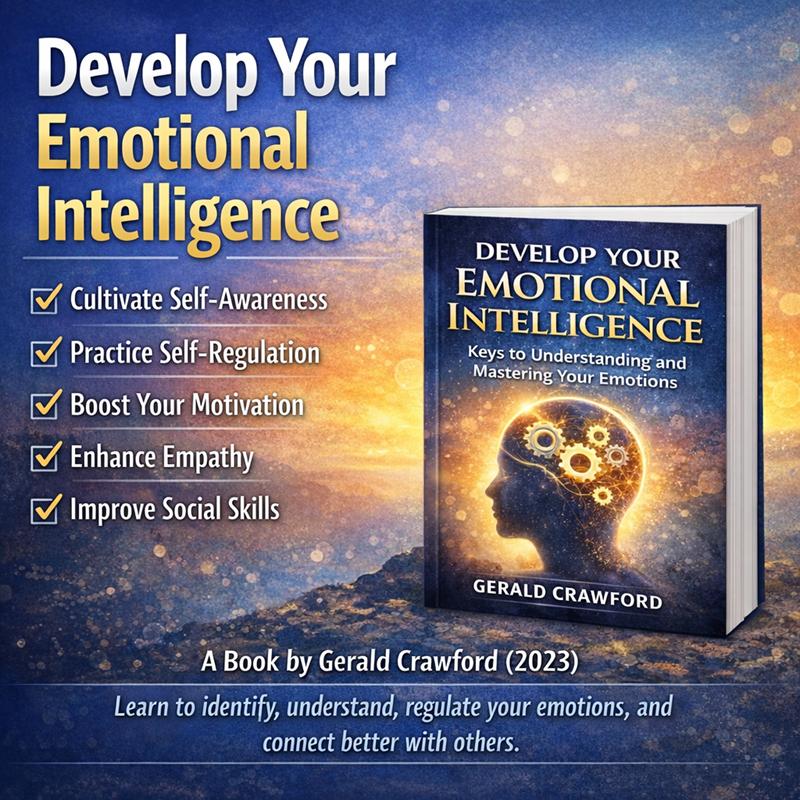
Question and Answer: Do you want to reducing conflict and misunderstanding in your life? How can I address this by development my Emotional Intelligence?

Q: Do you want to reduce conflict and misunderstanding in your life?

A: Conflict and misunderstanding often happen not because people disagree, but because they miscommunicate, misinterpret emotions, or react defensively. You may notice that you:

  • Experience frequent disagreements with others
  • Feel misunderstood or misheard
  • Misinterpret tone, intent, or body language
  • Respond defensively or emotionally
  • Avoid conflict because it feels overwhelming
  • Struggle to express your needs clearly
  • Have tension in relationships at work or home
  • Replay conversations trying to understand what went wrong

These situations are usually signs that certain Emotional Intelligence (EI) skills need strengthening.
The good news? Developing EI greatly reduces conflict and creates more understanding, empathy, and harmony in your interactions.


Q: How can I address conflict and misunderstanding by developing my Emotional Intelligence?

Emotional Intelligence helps you understand emotions—both yours and others’—so you can communicate more clearly, manage tension effectively, and resolve issues peacefully.

Here’s how each EI component helps reduce conflict:


1. Strengthen Self-Awareness

Self-awareness helps you recognize your emotions, triggers, and communication habits before they escalate conflict.

EI Practices:

  • Notice when you start feeling defensive, frustrated, or overwhelmed
  • Identify what specific triggers cause conflict for you
  • Reflect on how your words or tone impact others
  • Ask yourself: “What am I really feeling and why?”

Impact:
You avoid reacting impulsively and can communicate with clarity and calm.


2. Improve Self-Management

When emotions run high, self-management helps you stay composed and constructive.

EI Practices:

  • Pause before responding during heated moments
  • Use deep breathing or grounding techniques
  • Step away briefly if needed
  • Choose your words thoughtfully
  • Respond, don’t react

Impact:
Conversations become solutions-focused instead of emotionally charged.


3. Build Social Awareness (Empathy)

Empathy reduces misunderstanding by helping you understand the other person’s perspective.

EI Practices:

  • Listen to understand, not to win
  • Observe tone, body language, and emotional cues
  • Ask clarifying questions: “Can you help me understand what you mean?”
  • Validate feelings even if you disagree: “I can see why that frustrated you.”

Impact:
People feel heard and respected, and conflict diffuses quickly.


4. Strengthen Relationship Management

This EI skill helps you communicate clearly, navigate difficult conversations, and resolve tension respectfully.

EI Practices:

  • Use assertive (not passive or aggressive) communication
  • Express your needs using “I” statements
  • Focus on finding solutions, not blame
  • Acknowledge your part in misunderstandings when appropriate
  • Work collaboratively toward shared outcomes

Impact:
Conflicts become opportunities for growth and stronger connection.


Practical EI Tools for Reducing Conflict and Misunderstanding

  • The Pause-and-Respond Technique
  • Active listening with reflection (“What I hear you saying is…”)
  • Emotion labeling (“I feel…” instead of “You always…”)
  • Curiosity questions (“Tell me more…”)
  • Boundaries that prevent emotional overload
  • De-escalation strategies (tone, pacing, nonverbal awareness)
  • Conflict reframing (“How can we solve this together?”)

What benefits will I experience as my Emotional Intelligence grows?

You will notice:

  • Less conflict in your personal and professional life
  • More trust and respect in relationships
  • Better communication and clarity
  • Reduced defensiveness
  • Deeper understanding of others
  • More effective problem solving
  • Stronger connection and collaboration
  • A calmer, more grounded emotional presence

Improving EI doesn’t just reduce conflict—it transforms how you understand, respond to, and connect with people.

Back a Buddy Show your Support