
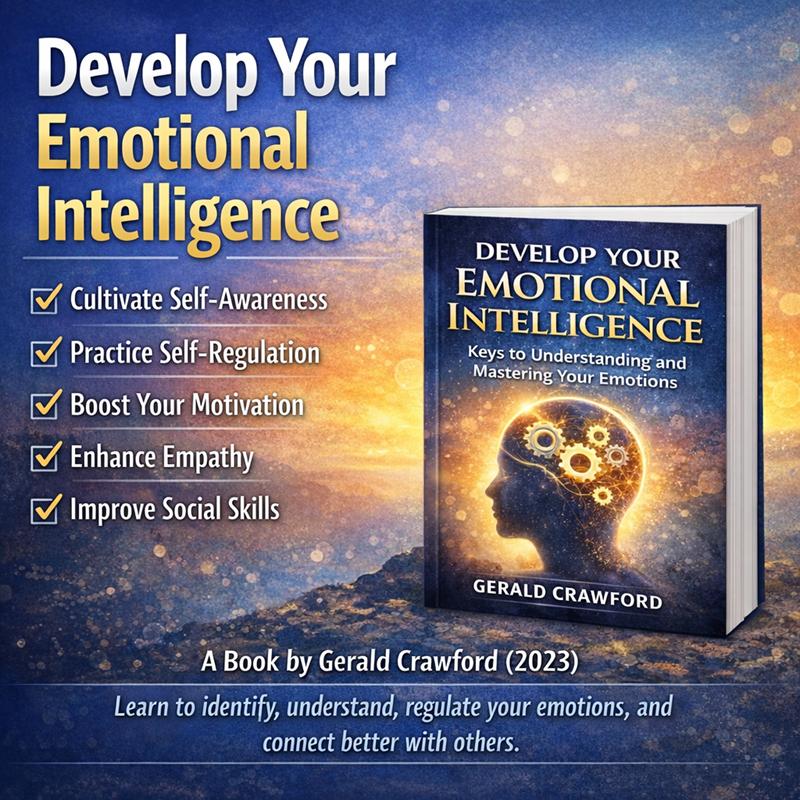
The Components of Emotional Intelligence are:
1. Self-Awareness: The ability to recognize and understand one’s own emotions, values, and motivations. This includes being able to identify one’s own emotional triggers, strengths, and weaknesses.
2. Self-Regulation: The ability to control and regulate one’s own emotions, impulses, and behaviors. This includes being able to manage stress, anxiety, and other negative emotions.
3. Motivation: The ability to use emotions to drive motivation and achieve goals. This includes being able to set and achieve goals, and to be self-motivated.
4. Empathy: The ability to recognize and understand emotions in others. This includes being able to put oneself in someone else’s shoes and understand their perspective.
5. Social Skills: The ability to effectively communicate and interact with others. This includes being able to build strong relationships, communicate effectively, and manage conflict.
These five components are often referred to as the “5 Core Competencies” of Emotional Intelligence, and were first identified by Peter Salovey and John D. Mayer in their 1990 paper “Emotional Intelligence”.
Detailed Breakdown of Each Component:
1. Self-Awareness:
* Recognizing one’s own emotions and how they impact behavior
* Understanding one’s values, strengths, and weaknesses
* Being able to identify emotional triggers and patterns
2. Self-Regulation:
* Controlling and regulating one’s own emotions and impulses
* Managing stress, anxiety, and other negative emotions
* Being able to delay gratification and prioritize long-term goals
3. Motivation:
* Using emotions to drive motivation and achieve goals
* Being self-motivated and able to set and achieve goals
* Being resilient and able to bounce back from setbacks
4. Empathy:
* Recognizing and understanding emotions in others
* Being able to put oneself in someone else’s shoes and understand their perspective
* Being able to communicate effectively and build strong relationships
5. Social Skills:
* Effectively communicating and interacting with others
* Building strong relationships and networking
* Managing conflict and negotiating effectively
Importance of Each Component:
Each of the 5 components of Emotional Intelligence is important in its own right, but they also interact and influence each other. For example, self-awareness is necessary for self-regulation, and empathy is necessary for effective social skills.
Relationship Between Components:
The components of Emotional Intelligence are interconnected and interdependent. For example:
* Self-awareness is necessary for self-regulation, as one must be aware of their own emotions and triggers in order to regulate them.
* Self-regulation is necessary for motivation, as one must be able to manage their own emotions and impulses in order to stay motivated.
* Empathy is necessary for social skills, as one must be able to understand and communicate effectively with others in order to build strong relationships.
I hope this helps to clarify the components of Emotional Intelligence! Let me know if you have any further questions.




Recent Comments