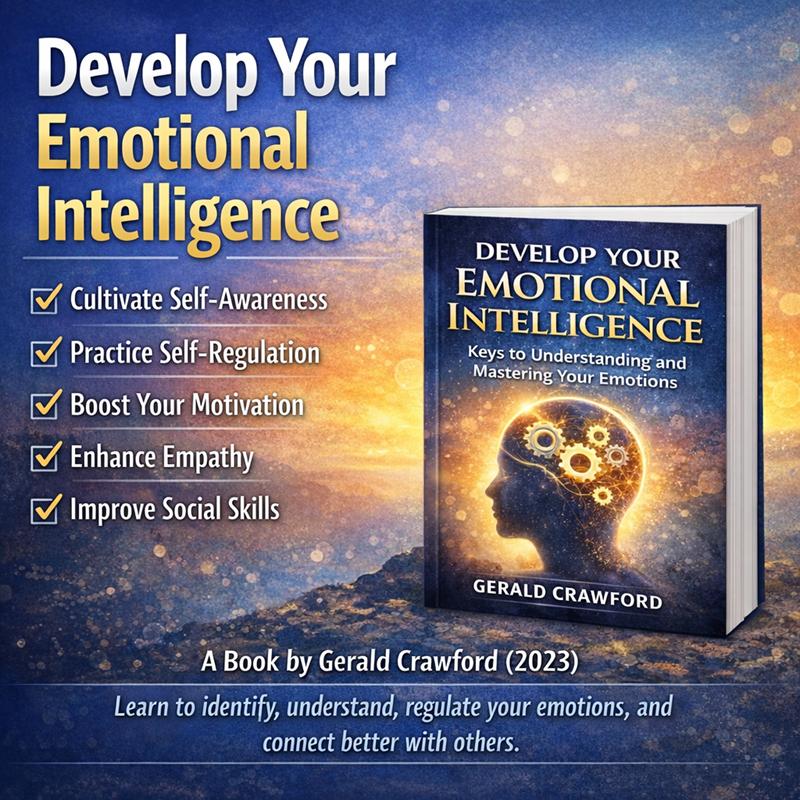
To develop Emotional Intelligence (EI), cultivate self-awareness by identifying and naming your emotions, self-regulation by managing those feelings, motivation by setting goals, empathy by understanding others' perspectives, and improving social skills through active listening and clear communication.

Tag: behaviour

Take Control of the impact of your emotions on your Behaviour and Decision-making with Hypnotherapy

Below is a word-for-word hypnotherapy script focused on taking control of how emotions influence behaviour and decision-making.

It’s written in a calm, grounded, emotionally intelligent style—strengthening awareness, choice, and self-leadership without suppressing emotion.


Hypnotherapy Script: Emotional Mastery & Conscious Choice

Preparation (spoken calmly and steadily):
Find a comfortable position…
Sitting or lying down…
And allow your eyes to gently close…
Or soften your gaze…

Take a slow breath in through your nose…
And exhale through your mouth…
Letting the body begin to settle…

Again…
Breathing in clarity…
Breathing out tension…

Good.


Induction: Regulating the Nervous System

Notice the natural rhythm of your breathing…
No effort… no control…
Just allowing…

Notice how your body is supported…
The surface beneath you holding your weight…

You don’t need to brace…
You don’t need to resist…
In this moment… you are safe enough to relax…

As your body relaxes…
Your nervous system settles…
And your mind becomes more receptive…


Deepening: Creating Inner Space

In a moment, I’ll count from five down to one
And with each number…
You can drift deeper into calm awareness…

Five… slowing down…
Four… muscles releasing…
Three… thoughts becoming quieter…
Two… awareness sharpening…
One… calm… clear… present…

Good.


Therapeutic Suggestions: Separating Emotion from Reaction

Now…
Bring your attention to your inner awareness…
The part of you that observes thoughts and feelings…

Emotions are information…
Not instructions…

You can feel deeply…
And still choose wisely…

Silently allow this idea to settle:

“I can experience emotion without being controlled by it.”

Notice how your body responds…
Perhaps a sense of steadiness…
Grounding…
Clarity…

Your subconscious mind is learning a new pattern now…


Building the Pause

From this moment forward…
Between emotion and action…
There is a pause…

A breath…
A moment of choice…

In that pause…
You regain control…

You ask yourself:

“What is the best response right now?”

And your nervous system learns that slowing down creates safety…
Not danger…


Strengthening Conscious Decision-Making

Now imagine yourself in a situation that once triggered you…
Nothing overwhelming…
Just familiar…

Notice the emotion arising…
And instead of reacting…
You pause…

You breathe…
You observe…

And then…
You choose a response aligned with your values…
Your goals…
Your integrity…

Notice how empowering that feels…

Your subconscious mind records this as success…
As leadership…
As self-control…


Installing Emotional Authority

From now on…
Emotions can arise…
Move through you…
And pass…

They inform you…
But they no longer drive you…

You are the one who decides…
Calmly…
Consciously…

And each time you choose awareness over impulse…
This ability strengthens…

Emotional intelligence becomes automatic…
Natural…
Reliable…


Future Pacing: Living in Control

See yourself moving through daily life…
Handling stress with clarity…
Communicating calmly…
Making decisions you respect…

You trust yourself now…
Because you are in charge of your inner state…

And your subconscious mind accepts this as your new identity…


Emergence

In a moment…
I’ll count from one up to five
And you’ll return feeling centred…
Empowered…
And clear-minded…

One… awareness returning…
Two… breath deepening…
Three… body feeling steady…
Four… mind alert and calm…
Five… eyes open when ready… feeling in control and grounded…


Closing Affirmation (optional):

“I feel my emotions, and I choose my actions.
I respond with clarity, calm, and control.”

Understanding Emotions – The impact of emotions on behaviour and decision-making

Emotions play a significant role in shaping our behavior and decision-making. Here’s an overview of the impact of emotions on behavior and decision-making:

The Impact of Emotions on Behaviour:

1. Emotional Triggers: Emotions can trigger certain behaviors, such as aggression, fear, or excitement.

2. Emotional Regulation: Emotions can influence our ability to regulate our behavior, leading to impulsive or reckless actions.

3. Motivation: Emotions can motivate us to take action, pursue goals, and achieve success.

The Impact of Emotions on Decision-Making:

1. Emotions as Information: Emotions can serve as information, influencing our decisions and judgments.

2. Emotional Biases: Emotions can lead to biases and heuristics, influencing our decision-making processes.

3. Risk-Taking: Emotions can influence our willingness to take risks, leading to either more cautious or more reckless decisions.

The Role of Emotions in Decision-Making:

1. Intuition: Emotions can play a role in intuition, influencing our gut feelings and instincts.

2. Emotional Experience: Emotions can influence our emotional experience, shaping our perceptions and judgments.

3. Decision-Making Styles: Emotions can influence our decision-making styles, leading to more impulsive or more deliberate decisions.

The Impact of Emotions on Relationships:

1. Emotional Contagion: Emotions can be contagious, influencing the emotions and behaviors of others.

2. Empathy and Compassion: Empathy and compassion are essential for building strong, supportive relationships.

Managing Emotions:

1. Emotional Awareness: Emotional awareness involves recognizing and understanding one’s own emotions and the emotions of others.

2. Emotional Regulation: Emotional regulation involves managing and regulating one’s own emotions and the emotions of others.

3. Mindfulness: Mindfulness involves being present and aware in the moment, without judgment.

Developing Emotional Intelligence:

1. Self-Awareness: Self-awareness involves understanding one’s own emotions, values, and motivations.

2. Emotional Regulation: Emotional regulation involves managing and regulating one’s own emotions and the emotions of others.

3. Empathy and Compassion: Empathy and compassion involve understanding and responding to the emotions and needs of others.

By understanding the impact of emotions on behavior and decision-making, individuals can develop greater emotional intelligence, manage their emotions more effectively, and build stronger, more supportive relationships.

Question and Answer: Does the way you behave affects your performance? How can I address this by development my Emotional Intelligence?

Q: Does the way you behave affect your performance?

A: Yes — your behavior has a direct impact on your performance and how others perceive, trust, and collaborate with you.
Your behavior influences:

  • Your ability to work effectively under pressure
  • How others respond to you
  • Your reputation and leadership presence
  • Your decision-making
  • Your confidence and motivation
  • Your relationships and teamwork
  • Your consistency and reliability

Unhelpful behaviors — such as reacting emotionally, avoiding problems, procrastinating, shutting down, becoming defensive, or being overly critical — can limit both your personal and professional success.

Helpful behaviors — such as staying calm, communicating clearly, showing empathy, taking initiative, and maintaining integrity — elevate performance and strengthen relationships.

Your behavior is a reflection of your Emotional Intelligence.


Q: How can developing Emotional Intelligence improve my behavior and performance?

Emotional Intelligence helps you become aware of your behavioral tendencies, manage your reactions, and show up in ways that support your goals, relationships, and performance.

Each EI skill plays a role:


1. Self-Awareness

Recognizing how your emotions influence your behavior.

How it improves behavior:

  • Helps you notice when you slip into unhelpful habits
  • Makes you aware of how your behavior impacts others
  • Allows you to adjust your actions before they become damaging
  • Helps you recognize your strengths and blind spots

Try:

  • Reflect on: “How did my behavior help or hurt the situation?”
  • Ask trusted peers for feedback
  • Track recurring behavior patterns under stress

2. Self-Management

Controlling your emotional responses so your behavior is intentional, not reactive.

How it improves behavior:

  • Reduces impulsive reactions
  • Helps you stay calm and rational under pressure
  • Supports consistent, reliable behavior
  • Strengthens your ability to choose your response instead of reacting automatically

Try:

  • Practice pausing before speaking or acting
  • Use grounding techniques when emotions rise
  • Set behavior intentions before important interactions (e.g., “Stay calm,” “Listen actively”)

3. Social Awareness (Empathy)

Understanding how others feel and how your behavior affects them.

How it improves behavior:

  • Makes your actions more thoughtful and considerate
  • Helps you avoid unintentionally hurting or alienating others
  • Strengthens relationships and trust
  • Improves collaboration and communication

Try:

  • Ask: “How might my behavior feel from their perspective?”
  • Notice others’ emotional cues and adjust your approach
  • Practice listening without judgment or interruption

4. Relationship Management

Using emotional intelligence to navigate interactions effectively.

How it improves behavior:

  • Helps you resolve conflict calmly
  • Encourages constructive, supportive actions
  • Improves your ability to give and receive feedback
  • Builds a positive, respectful presence that enhances performance

Try:

  • Use clear, respectful communication
  • Address issues early instead of avoiding them
  • Balance assertiveness with empathy

Q: What practical Emotional Intelligence strategies can help improve my behavior?

1. Identify your behavior triggers

Common triggers include:

  • Feeling disrespected
  • Being overwhelmed
  • Tight deadlines
  • Lack of control
  • Feeling unheard

Understanding your triggers = improved behavior.


2. Replace reactive habits with intentional ones

Examples:

  • Instead of interrupting → pause and listen
  • Instead of shutting down → ask for clarity
  • Instead of blaming → focus on solutions
  • Instead of avoiding → address challenges early

3. Use emotional resets

Take quick breaks, breathe, or step away before engaging in conversations where your behavior may escalate.


4. Practice accountability

Ask yourself:

  • “What can I do differently next time?”
  • “How did my behavior contribute to the outcome?”

This builds maturity and growth.


5. Model the behavior you want from others

Your team or colleagues often mirror your actions.
Show calm, respect, and clarity — and you’ll receive them back.


Q: What benefits will I see as I improve my EI and behavior?

You will experience:

  • More consistent, intentional behavior
  • Better reactions under stress
  • Stronger relationships and teamwork
  • Improved trust, credibility, and influence
  • Higher productivity and effectiveness
  • More confidence and emotional stability
  • Stronger leadership presence
  • Better overall performance

When you behave with Emotional Intelligence, you not only perform better — you also create a positive ripple effect that improves the performance of those around you.

Back a Buddy Show your Support