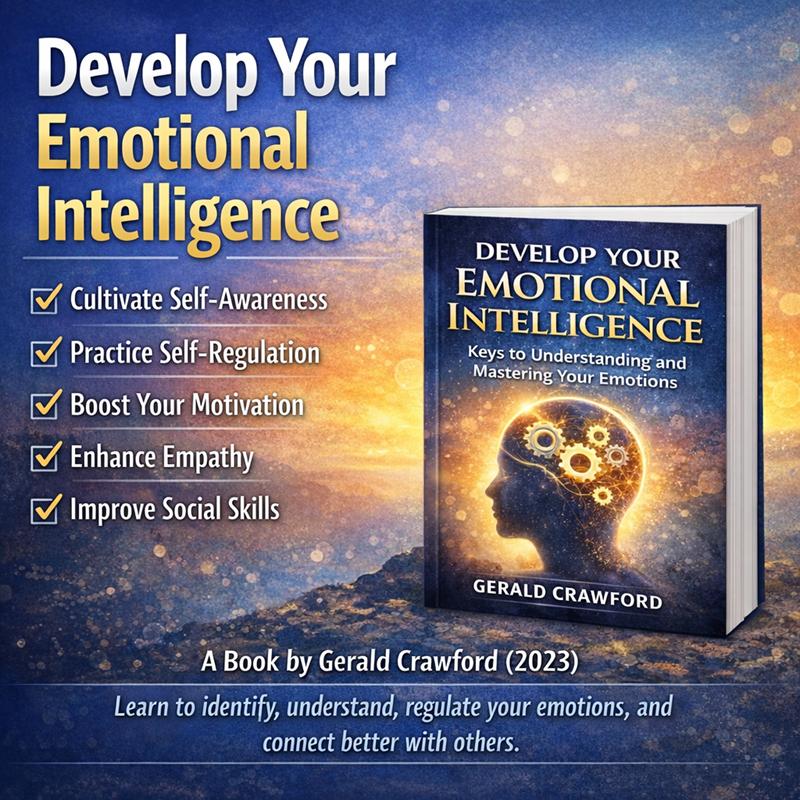
To develop Emotional Intelligence (EI), cultivate self-awareness by identifying and naming your emotions, self-regulation by managing those feelings, motivation by setting goals, empathy by understanding others' perspectives, and improving social skills through active listening and clear communication.

Tag: Attachment Wounds

Women’s-centered Healing – Inner Emotional Landscape, Attachment Wounds, and Survival Strategies

Below is a women’s-centered healing transmission that speaks directly to the inner emotional landscape, attachment wounds, and survival strategies – held in a feminine, trauma-informed, body-based tone.

This can be used for women’s circles, therapy, coaching, or hypnotherapy.

WOMEN’S HEALING:

Inner Emotional Landscape, Attachment Wounds & Survival Strategies

1. The Feminine Inner Emotional Landscape

The place where feeling lives

A woman’s inner emotional world is often deep, intuitive, relational, and body-led.

When safe, it flows as:

  • Emotional openness
  • Sensual presence
  • Intuition and creativity
  • Soft strength and receptivity

When wounded, it often becomes:

  • Hyper-empathic or emotionally exhausted
  • Self-abandoning
  • Anxious about connection
  • Disconnected from the body

Many women were taught:

“Be good. Be pleasing. Be quiet. Be strong for others.”

This shapes an inner landscape that feels others deeply—yet struggles to feel herself.

2. Core Attachment Wounds in Women

Abandonment

“I must hold on, over give, or disappear to be loved.”

Rejection

“My needs, emotions, or body are too much.”

Betrayal

“I cannot trust—especially men, authority, or my own intuition.”

Neglect

“No one is coming for me. I must manage alone.”

Enmeshment

“My worth depends on being chosen, needed, or desired.”

These wounds are often reinforced by:

  • Generational trauma
  • Cultural conditioning
  • Relationship trauma
  • Sexual or emotional boundary violations

A woman’s attachment wounds often live in her heart, womb, and throat.

3. Feminine Survival Strategies

How women learned to stay safe

Women’s survival strategies are often relational, not aggressive.

Common patterns:

  • People-pleasing – earning love through self-erasure
  • Over-giving – confusing love with sacrifice
  • Emotional monitoring – reading the room to stay safe
  • Attachment chasing – fear of being alone
  • Sexual compliance – using the body to secure connection
  • Emotional shutdown – freezing the heart after repeated hurt

These strategies once meant:

“I belong. I’m safe. I won’t be abandoned.”

4. The Hidden Cost

Survival can look like:

  • Chronic exhaustion
  • Anxiety in relationships
  • Loss of desire or vitality
  • Difficulty receiving
  • Disconnection from pleasure
  • Deep loneliness – even in partnership

The wound is not that you cared too much.

The wound is that no one taught you to care for yourself first.

5. Healing the Feminine (Trauma-Informed)

Women do not heal by pushing harder.

They heal through safety, slowness, and embodiment.

Healing requires:

  • Nervous system regulation
  • Permission to feel without explanation
  • Reconnection with the body
  • Healthy boundaries without guilt
  • Grief for the self that had to survive

Key shift:

From self-abandonment → to self-devotion

6. Feminine Hypnotherapy Reframe

“You were not weak—you were relational.
You were not needy—you were attachment-oriented.
You were not too emotional—you were unprotected.”

In trance or deep inner work:

  • The inner girl is met with attunement
  • The body learns it is no longer available for harm
  • The adult woman becomes her own safe attachment

7. Feminine Integration Statement

(Use in circles or sessions)

“I no longer abandon myself to be loved.
I choose presence over performance.
My body is safe.
My emotions are welcome.
I am whole—even when I am alone.”

8. Ritual Practice (Simple & Powerful)

Place one hand on your heart, one on your womb.

Breathe slowly and say:

“I am allowed to receive.
I am allowed to rest.
I am allowed to choose myself.”

Inner Emotional Landscape, Attachment Wounds, and Survival Strategies

Below is a clear, therapeutic framework you can use for coaching, therapy, or hypnotherapy – to explain how the inner emotional landscape, attachment wounds, and survival strategies are connected, and how healing unfolds.

1. Inner Emotional Landscape

What lives inside when no one is watching

Your inner emotional landscape is the felt world within you—the quiet (and sometimes loud) emotions that shape how you relate to yourself and others.

It includes:

  • Core emotions: safety, fear, shame, love, grief, anger, joy
  • Emotional climate: calm, tense, guarded, lonely, hopeful
  • Body-based signals: tight chest, collapsed posture, shallow breath

When early emotional needs were unmet, this inner world often becomes:

  • Hypervigilant or numb
  • Self-critical or abandoned
  • Longing yet guarded

Healing begins when the inner world becomes safe enough to be felt.

2. Attachment Wounds

Where the pain began

Attachment wounds form when connection was inconsistent, unsafe, or conditional – especially in early relationships.

Common attachment wounds:

  • Abandonment – “People leave. I must cling or shut down.”
  • Rejection – “I am too much or not enough.”
  • Betrayal – “I can’t trust anyone.”
  • Neglect – “My needs don’t matter.”
  • Enmeshment – “I must lose myself to stay connected.”

These wounds are not logical beliefs—they are emotional memories stored in the nervous system.

Attachment wounds answer one question:
“What did I learn about love?”

3. Survival Strategies

  • How the nervous system adapted
  • Survival strategies are intelligent responses to pain, not flaws.
  • They once protected you.

Common strategies include:

  • People-pleasing – staying safe by being needed
  • Emotional shutdown – avoiding pain by disconnecting
  • Control/perfectionism – preventing chaos
  • Chasing or obsession – securing attachment at all costs
  • Avoidance or withdrawal – protecting independence
  • Lying or masking – avoiding shame or punishment

These strategies become problematic when:

  • The danger is gone
  • The body still believes it’s happening
  • The adult self is ruled by the child’s fear

Survival strategies are not who you are – they are what you did to survive.

4. How They Interact (The Cycle)

  1. Attachment wound is triggered
  2. Inner emotional landscape floods (fear, shame, loneliness)
  3. Nervous system activates survival strategy
  4. Short-term relief, long-term disconnection
  5. Wound reinforces itself

This cycle repeats until safety is restored internally.

5. Healing Orientation (Trauma-Informed)

Healing is not about “fixing” behavior.
It is about creating internal safety so survival strategies are no longer needed.

Healing involves:

  • Regulating the nervous system
  • Feeling emotions without being overwhelmed
  • Reparenting the wounded attachment self
  • Releasing shame and self-blame
  • Integrating masculine (containment) and feminine (feeling) energies

6. Hypnotherapy / Inner Work Reframe

“There was nothing wrong with you.
Your nervous system learned what it needed to survive.
Now it is safe to update those patterns.”

In trance or deep inner work:

  • The inner child is met with protection, not correction
  • The body learns safety through sensation
  • The adult self becomes the secure attachment figure

7. Integration Statement (Use in Sessions)

“I acknowledge the wounds that shaped me.
I honor the strategies that protected me.
And I choose, now, to live from safety rather than survival.”

Words People Use often reveal their Inner Emotional Landscape, Attachment Wounds, and Survival Strategies.

When childhood trauma remains unhealed, it doesn’t only live in the nervous system – it leaks into language.

Below are common word patterns, grouped by the wound beneath them. These are not conscious choices; they are protective adaptations learned early in life.

1. Abandonment & Insecurity

People whose early needs were inconsistently met often use language that seeks reassurance or anticipates loss.

Common phrases

  • “Are you mad at me?”
  • “I don’t want to be a burden.”
  • “I knew this wouldn’t last.”
  • “Please don’t leave.”
  • “I always mess things up.”

What it reveals

  • Hypervigilance to rejection
  • Fear of being too much or not enough
  • Anxious attachment patterns

2. Shame & Core Unworthiness

When love was conditional or critical, shame becomes internalized.

Common phrases

  • “I’m stupid.”
  • “Something is wrong with me.”
  • “I should have known better.”
  • “I’m embarrassing.”
  • “I don’t deserve that.”

What it reveals

  • Identity-level shame
  • Inner critic formed from caregivers’ voices
  • Self-worth tied to performance or perfection

3. Emotional Suppression & Minimization

Children who weren’t allowed to feel learned to downplay pain.

Common phrases

  • “It’s not a big deal.”
  • “I’m fine.” (when they’re not)
  • “Others had it worse.”
  • “It doesn’t matter.”
  • “I’ll get over it.”

What it reveals

  • Emotional neglect
  • Dissociation from feelings
  • Survival through self-erasure

4. Hyper-Independence (Trauma Disguised as Strength)

Often seen in those who learned that needing others was unsafe.

Common phrases

  • “I’ll do it myself.”
  • “I don’t need anyone.”
  • “I can’t rely on people.”
  • “I’m used to handling things alone.”
  • “It is what it is.”

What it reveals

  • Avoidant attachment
  • Fear of vulnerability
  • Early disappointment by caregivers

5. Control, Anxiety & Catastrophizing

When childhood was unpredictable, the mind learns to scan for danger.

Common phrases

  • “What if something goes wrong?”
  • “I need to be prepared for everything.”
  • “I can’t relax.”
  • “I knew this would happen.”
  • “I don’t trust this.”

What it reveals

  • Chronic nervous system activation
  • Loss of felt safety
  • Trauma-based hypervigilance

6. People-Pleasing & Self-Abandonment

Children who received love only when compliant often speak in appeasing language.

Common phrases

  • “Whatever you want.”
  • “It’s okay, really.” (when it’s not)
  • “I don’t mind.”
  • “Sorry, sorry, sorry.”
  • “I just want everyone to be happy.”

What it reveals

  • Fear of conflict
  • Fawning trauma response
  • Identity organized around others’ needs

7. Emotional Numbness & Disconnection

Some trauma shuts emotions down entirely.

Common phrases

  • “I don’t know how I feel.”
  • “I feel empty.”
  • “Nothing really matters.”
  • “I’m just tired.”
  • “I don’t feel anything.”

What it reveals

  • Freeze response
  • Dissociation
  • Long-term emotional overwhelm

A Gentle Truth

These words are not flaws.
They are evidence of intelligence, resilience, and survival.

At one point, this language:

  • Kept you safe
  • Helped you belong
  • Reduced emotional risk

Healing doesn’t mean policing your words.

It means listening to them with compassion and asking:

“What did this part of me need back then?”

Back a Buddy Show your Support