
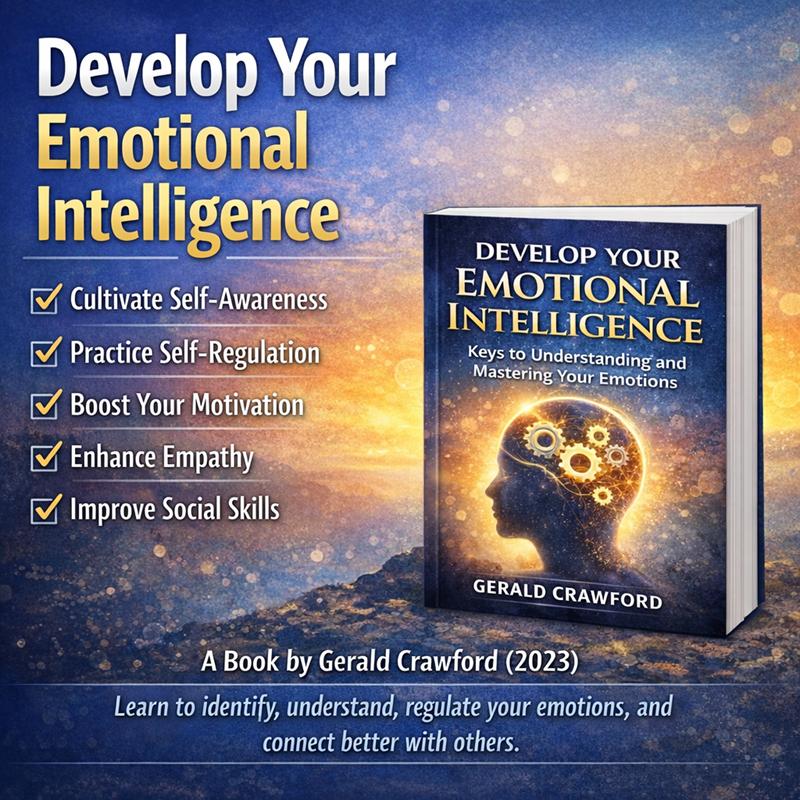
To develop Emotional Intelligence (EI), cultivate self-awareness by identifying and naming your emotions, self-regulation by managing those feelings, motivation by setting goals, empathy by understanding others' perspectives, and improving social skills through active listening and clear communication.

Tag: Attachment Styles

Attachment Styles: How your Feelings Shape your Thoughts in Relationships

Attachment styles: how your feelings shape your thoughts in relationships

Attachment styles are emotional blueprints formed early in life that silently control:

  • what you feel
  • how you interpret
  • what you think
  • how you react in closeness, distance, love, and loss

They were first described by John Bowlby and expanded through research by Mary Ainsworth.

The core principle (very important)

Your attachment style determines your emotional state.
Your emotional state determines your thoughts.

You don’t think your way into attachment reactions.

You feel your way into them.

1. Secure attachment

Emotional baseline: safety

Nervous system: regulated

Feelings

  • Calm
  • Trust
  • Emotional steadiness

Thoughts created by those feelings

  • “We can talk this through”
  • “I am enough”
  • “Closeness is safe”

Inner belief

“Love is safe and reliable.”

Secure people don’t overthink because their body feels safe.

2. Anxious (preoccupied) attachment

Emotional baseline: fear of loss

Nervous system: hyperactivated

Feelings

  • Anxiety
  • Fear
  • Longing

Thoughts created by those feelings

  • “What if they leave?”
  • “Did I say something wrong?”
  • “I need reassurance now”

Inner belief

“Love can disappear at any moment.”

Thoughts obsess because the body feels unsafe without connection.

3. Avoidant (dismissive) attachment

Emotional baseline: threat from closeness

Nervous system: deactivated

Feelings

  • Tension when close
  • Emotional numbness
  • Irritation

Thoughts created by those feelings

  • “I need space”
  • “They’re too needy”
  • “I’m better alone”

Inner belief

“Dependence is dangerous.”

Avoidant thoughts minimize because the body equates intimacy with danger.

4. Disorganized (fearful-avoidant) attachment

Emotional baseline: love = danger

Nervous system: chaotic (on/off)

Feelings

  • Desire + fear simultaneously
  • Confusion
  • Shame

Thoughts created by those feelings

  • “I want you – don’t come close”
  • “I don’t trust myself”
  • “Something is wrong with me”

Inner belief

“Love hurts, but I need it.”

Thoughts conflict because the nervous system is split.

Why attachment styles feel like “thought problems”

Because the mind tries to explain emotional discomfort.

But the root is always:

emotion → thought → behavior

Not:

thought → emotion → behavior

Attachment styles and repeating thought loops

Attachment Dominant Feeling Common Thought Loop

Secure Safety “We’ll handle this”
Anxious Fear “I’m about to lose them”
Avoidant Threat “I need to get away”
Disorganized Chaos “I want and fear love”

Healing insight (very important)

You do not heal attachment styles by correcting thoughts.

You heal by:

  • Regulating the nervous system
  • Allowing felt emotion
  • Creating safe relational experiences

When the body feels safe, thoughts naturally soften.

Faith-based integration

Scripture speaks directly to attachment:

“Perfect love casts out fear.” (1 John 4:18)

Fear-based attachment = fear-driven thoughts
Love-based attachment = peace-driven thoughts

Healing attachment is learning how to receive love without fear.

One grounding practice (daily – 3 minutes)

  1. Sit quietly
  2. Place hand on chest
  3. Ask: “What attachment feeling is here right now?”
  4. Name it without judgment
  5. Breathe slowly until the body softens

Thoughts will follow.

In one sentence:

Attachment styles are emotional survival strategies that quietly decide what you think about love, yourself, and others.

Different Negative Attachment Styles that hinder you Development of Your Emotional Intelligence and that create Boundaries, Preconceived ideas, Limitations and Judgements.

Here are some common negative attachment styles that can hinder the development of emotional intelligence and create boundaries, preconceived ideas, limitations, and judgments:

1. Anxious-Preoccupied Attachment Style: This style is characterized by a deep-seated fear of abandonment and a constant need for reassurance. Individuals with this style may be overly dependent on others, have difficulty setting boundaries, and struggle with emotional regulation.

2. Dismissive-Avoidant Attachment Style: This style is characterized by a tendency to avoid intimacy and emotional connection with others. Individuals with this style may come across as aloof or distant, and may struggle with empathy and emotional understanding.

3. Fearful-Avoidant Attachment Style: This style is characterized by a fear of intimacy and emotional connection, as well as a fear of abandonment. Individuals with this style may have difficulty forming and maintaining relationships, and may struggle with emotional regulation and trust.

4. Disorganized-Disoriented Attachment Style: This style is characterized by a lack of coherence and consistency in attachment behaviors. Individuals with this style may have difficulty regulating their emotions, and may exhibit unpredictable and erratic behavior in relationships.

5. Secure Attachment Style with a Negative Twist: This style is characterized by a secure attachment style, but with a negative twist. Individuals with this style may have a tendency to be overly critical or perfectionistic, which can create unrealistic expectations and lead to disappointment and frustration.

Boundaries Created by Negative Attachment Styles:

1. Emotional Unavailability: Negative attachment styles can create emotional unavailability, making it difficult for individuals to form and maintain intimate relationships.

2. Defensiveness: Negative attachment styles can lead to defensiveness and a tendency to become overly critical or dismissive of others.

3. Emotional Reactivity: Negative attachment styles can create emotional reactivity, leading to impulsive and intense emotional responses to situations.

4. Difficulty with Intimacy: Negative attachment styles can make it challenging for individuals to form and maintain intimate relationships, leading to feelings of loneliness and disconnection.

5. Self-Sabotaging Behaviors: Negative attachment styles can lead to self-sabotaging behaviors, such as self-destructive habits or toxic relationships.

Preconceived Ideas and Limitations:

1. Negative Self-Talk: Negative attachment styles can lead to negative self-talk and self-criticism, which can limit an individual’s potential and create self-doubt.

2. Limited Emotional Expression: Negative attachment styles can limit an individual’s ability to express and regulate their emotions in a healthy way.

3. Fear of Vulnerability: Negative attachment styles can create a fear of vulnerability, making it difficult for individuals to open up and form deep connections with others.

4. Difficulty with Trust: Negative attachment styles can create difficulty with trust, making it challenging for individuals to form and maintain healthy relationships.

5. Limited Self-Awareness: Negative attachment styles can limit an individual’s self-awareness, making it difficult for them to recognize and understand their own emotions and needs.

Judgments and Biases:

1. Negative Judgments of Others: Negative attachment styles can lead to negative judgments of others, creating a tendency to criticize or dismiss others.

2. Self-Judgment: Negative attachment styles can lead to self-judgment and self-criticism, creating a tendency to be overly critical of oneself.

3. Biases and Assumptions: Negative attachment styles can create biases and assumptions about others, leading to misunderstandings and conflicts.

4. Difficulty with Empathy: Negative attachment styles can create difficulty with empathy, making it challenging for individuals to understand and connect with others.

5. Limited Perspective: Negative attachment styles can limit an individual’s perspective, creating a narrow and rigid view of the world.

By recognizing and addressing these negative attachment styles, individuals can develop greater emotional intelligence, form healthier relationships, and cultivate a more positive and compassionate approach to life.

Back a Buddy Show your Support