
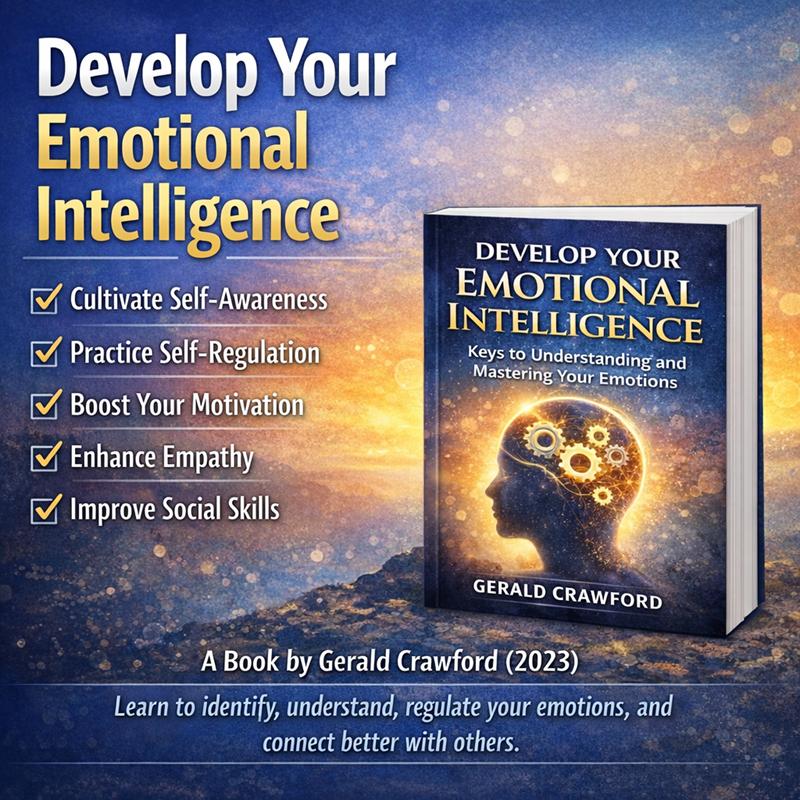
To develop Emotional Intelligence (EI), cultivate self-awareness by identifying and naming your emotions, self-regulation by managing those feelings, motivation by setting goals, empathy by understanding others' perspectives, and improving social skills through active listening and clear communication.

Tag: anxiety

Let go of Fear, anxiety, helplessness emotions with Hypnotherapy

Here’s a hypnotherapy script to help let go of fear, anxiety, and helplessness emotions:

Introduction

(Soft, calming music starts playing. Speak in a gentle, soothing tone.)

“Welcome to this hypnotherapy session, where you’ll embark on a journey to release the emotions of fear, anxiety, and helplessness that have been holding you back. Allow yourself to relax, breathe deeply, and let go of any tension or stress. You’re safe, and you’re in control. Find a comfortable position, either sitting or lying down, and take a deep breath in… and out… Feel the air fill your lungs, and then release it slowly. As you exhale, imagine any worries or concerns leaving your body.”

Induction

“Close your eyes and begin to focus on your breath. Feel the sensation of the air moving in and out of your nostrils. Imagine a warm, soothing light beginning to fill your body, starting at the crown of your head. As this light travels down through your face, neck, and shoulders, it melts away any tension or stress, leaving you feeling calm and relaxed. Allow this light to continue down through your arms, hands, chest, abdomen, lower back, and finally, your legs and feet. With each breath, feel yourself becoming more and more relaxed, more and more at ease.”

Deepening

“Imagine yourself standing in a peaceful, serene environment. It could be a beach, a forest, or a mountain meadow. Take a moment to notice the sights, sounds, and sensations around you. Feel the sensation of your feet connecting with the ground, the sensation of the air on your skin, and the sensation of your heart beating in your chest. As you breathe in, imagine fresh, clean air filling your lungs, and as you breathe out, imagine any fear, anxiety, or helplessness leaving your body. Repeat the following phrase to yourself: ‘I am letting go, I am releasing, I am free.'”

Confronting Fear, Anxiety, and Helplessness

“Imagine a large, empty mirror in front of you. This mirror represents the reflection of your inner self. Look into the mirror, and see yourself as you are in this moment. Notice any areas of tension, any areas of fear, anxiety, or helplessness. Allow yourself to acknowledge these emotions, and to feel them fully. But also remind yourself that these emotions are not a part of your true nature. You are strong, you are capable, and you are in control. Imagine a gentle, soothing breeze blowing across the mirror, smoothing out any ripples or distortions. As the breeze blows, repeat the following phrase to yourself: ‘I am calm, I am peaceful, I am in control.'”

Releasing the Emotions

“Imagine a bright, warm light beginning to fill the mirror. This light represents your inner strength, your resilience, and your ability to overcome any challenge. As the light grows, it fills the mirror, and begins to spill out into the surrounding environment. Imagine this light filling your entire body, nourishing your heart, your mind, and your soul. As you breathe in, imagine this light filling your lungs, and as you breathe out, imagine any fear, anxiety, or helplessness being released from your body. Repeat the following phrase to yourself: ‘I release you, I let you go, I am free from your grasp.'”

Empowerment

“Imagine a new, empowered version of yourself emerging. This version is confident, self-assured, and free from the burdens of fear, anxiety, and helplessness. See yourself handling situations with ease, responding to challenges with confidence, and trusting yourself completely. Feel the sense of pride, the sense of accomplishment, and the sense of freedom that comes with knowing you’re in control. Repeat the following phrase to yourself: ‘I trust myself, I trust my abilities, I am capable and competent.’ Remember that you have the power to choose how you respond to any situation, and that you are always in control of your thoughts, emotions, and actions.”

Future Pacing

“Imagine yourself in a future scenario, where you’re facing a challenge or a situation that would normally trigger fear, anxiety, or helplessness. But this time, imagine yourself responding with confidence, with calmness, and with a sense of control. See yourself handling the situation with ease, and emerging from it feeling stronger, feeling more empowered, and feeling more confident. Repeat the following phrase to yourself: ‘I am prepared, I am capable, I am in control.’ Know that you have the tools, the skills, and the inner strength to overcome any obstacle, and to achieve your goals.”

Counting Up and Awakening

“Take a deep breath in, and as you exhale, begin to slowly count up from one to five. With each number, feel yourself becoming more and more alert, more and more focused. When you reach the number five, you’ll be fully awake, feeling refreshed, renewed, and empowered. One… You’re beginning to stir, feeling a sense of calm and relaxation. Two… You’re becoming more alert, more focused. Three… You’re starting to feel more energized, more motivated. Four… You’re almost fully awake, feeling refreshed and renewed. Five… You’re now fully awake, feeling empowered, confident, and free from the emotions of fear, anxiety, and helplessness. Take a deep breath in, and when you’re ready, you can open your eyes.”

Conclusion

“Remember, the emotions of fear, anxiety, and helplessness are not a part of your true nature. You are strong, you are capable, and you are in control. Whenever you feel these emotions arising, take a deep breath, and remind yourself of the empowerment you’ve experienced in this session. You can return to this peaceful, serene place whenever you need to, and you can always trust yourself to handle any situation with confidence and ease.”

Healing from Emotional Wounds that show up as Anxiety

Healing from emotional wounds that manifest as negative emotions like anger can be a challenging and complex process. Anger can be a symptom of underlying emotional wounds, such as trauma, injustice, or feelings of powerlessness, and it’s essential to address these wounds to promote healing and recovery.

Some common signs that emotional wounds may be contributing to anger include:

1. Intense emotional reactivity: Feeling intense anger or irritation in response to relatively minor stimuli, such as a perceived slight or a frustrating situation.

2. Difficulty managing emotions: Struggling to regulate or manage anger, leading to outbursts or explosive behavior.

3. Physical symptoms: Experiencing physical symptoms like tension, headaches, or digestive issues, which can be related to chronic anger or stress.

4. Damaged relationships: Noticing that anger is affecting relationships with others, such as partners, friends, or family members, and leading to conflict or estrangement.

5. Self-destructive behaviors: Engaging in self-destructive behaviors, such as substance abuse or self-sabotage, as a way to cope with underlying emotional pain.

To heal from emotional wounds that manifest as anger, consider the following steps:

1. Identify the underlying cause: Reflect on the experiences or events that may have contributed to your anger, such as trauma, abuse, or neglect. Understanding the root cause of your anger can help you address it more effectively.

2. Practice self-compassion: Treat yourself with kindness, understanding, and patience as you work through your emotional wounds. Acknowledge that your feelings are valid and that you deserve to heal.

3. Develop emotional awareness: Learn to recognize and identify your emotions, including anger, and develop strategies to manage and regulate them. This can include mindfulness practices, such as meditation or deep breathing.

4. Engage in physical release: Participate in physical activities that help release tension and anger, such as exercise, yoga, or sports.

5. Seek support: Build a support network of friends, family, or a therapist who can help you process and work through your emotions.

6. Practice forgiveness: Consider forgiveness as a process of releasing negative emotions and letting go of the past. This can be a challenging but ultimately liberating experience.

7. Learn healthy communication skills: Develop effective communication skills to express your needs and feelings in a clear and respectful manner, which can help reduce conflict and anger.

8. Cultivate gratitude: Focus on the positive aspects of your life and practice gratitude to help shift your perspective and reduce anger.

9. Develop a growth mindset: View challenges and setbacks as opportunities for growth and learning, rather than as threats to your well-being.

10. Be patient and persistent: Healing from emotional wounds and anger takes time, effort, and patience. Be gentle with yourself, and remember that progress may be slow, but it’s possible.

Additional resources:

* Books: “The Anger Control Workbook” by Ray DiGiuseppe and Raymond Chip Tafrate, “The Gift of Anger” by Marcia Narine, and “Healing Anger” by Harriet Lerner

* Online courses: Courses on anger management, emotional intelligence, and mindfulness on platforms like Coursera, Udemy, or edX

* Therapy: Consider working with a therapist who specializes in anger management, cognitive-behavioral therapy (CBT), or dialectical behavior therapy (DBT)

What resonates with you the most, or what would you like to explore further?

Remember, healing from emotional wounds and anger is a unique and individualized process. It’s essential to work with a mental health professional to develop a personalized treatment plan that addresses your specific needs and circumstances.

Overcoming Emotional Challenges – Strategies for overcoming emotional challenges: anxiety, depression, and trauma

Overcoming emotional challenges such as anxiety, depression, and trauma requires a combination of self-awareness, coping strategies, and support. Here are some strategies that can help:

Anxiety:

1. Deep breathing exercises: Deep breathing can help calm the mind and body, reducing anxiety.

2. Progressive muscle relaxation: This technique involves tensing and relaxing different muscle groups to release physical tension.

3. Mindfulness meditation: Mindfulness meditation can help individuals stay present and focused, reducing anxiety.

4. Cognitive-behavioral therapy (CBT): CBT is a helpful therapy for anxiety, as it helps individuals identify and challenge negative thought patterns.

Depression:

1. Seek professional help: Depression is a serious mental health condition that requires professional help. A therapist can help individuals develop coping strategies and provide support.

2. Exercise: Exercise can help improve mood and reduce symptoms of depression.

3. Social support: Social support from friends, family, or a support group can help individuals feel less isolated and more connected.

4. Self-care: Self-care activities such as getting enough sleep, eating a healthy diet, and engaging in enjoyable activities can help improve mood.

Trauma:

1. Seek professional help: Trauma is a serious emotional challenge that requires professional help. A therapist can help individuals process their emotions and develop coping strategies.

2. Support groups: Support groups can provide a safe and supportive environment for individuals to share their experiences and connect with others.

3. Self-care: Self-care activities such as getting enough sleep, eating a healthy diet, and engaging in enjoyable activities can help improve mood and reduce stress.

4. Mindfulness and relaxation techniques: Mindfulness and relaxation techniques such as deep breathing, progressive muscle relaxation, and meditation can help individuals manage stress and anxiety.

General Strategies:

1. Practice self-compassion: Treat yourself with kindness and understanding, just as you would a close friend.

2. Stay connected: Stay connected with friends, family, or a support group to build a sense of community and support.

3. Engage in activities you enjoy: Engage in activities that bring you joy and help you relax.

4. Seek professional help: Don’t be afraid to seek professional help if you’re struggling with emotional challenges. A therapist can provide you with the support and guidance you need to overcome emotional challenges.

By using these strategies, individuals can develop the skills and resilience needed to overcome emotional challenges and improve their overall well-being.

Emotional Regulation – Managing stress and anxiety

Emotional regulation is a crucial aspect of managing stress and anxiety. Here are some strategies for managing stress and anxiety:

Stress and Anxiety:

1. Definition: Stress and anxiety are normal emotional responses to perceived threats or challenges.

2. Impact: Chronic stress and anxiety can lead to physical and mental health problems.

Emotional Regulation Strategies:

1. Deep Breathing: Focus on slow, deep breaths to calm the body and mind.

2. Mindfulness: Practice present-moment awareness to reduce stress and anxiety.

3. Physical Activity: Engage in regular physical activity to reduce stress and anxiety.

4. Social Support: Seek support from friends, family, or a therapist.

Cognitive-Behavioral Therapy (CBT):

1. Identify Negative Thoughts: Recognize and challenge negative thoughts that contribute to stress and anxiety.

2. Reframe Negative Thoughts: Replace negative thoughts with more balanced, constructive ones.

3. Develop Coping Skills: Learn new coping skills and strategies to manage stress and anxiety.

Additional Strategies:

1. Relaxation Techniques: Practice relaxation techniques, such as progressive muscle relaxation or visualization.

2. Time Management: Improve time management skills to reduce stress and anxiety.

3. Self-Care: Prioritize self-care activities, such as getting enough sleep, eating a healthy diet, and engaging in enjoyable activities.

Benefits of Emotional Regulation:

1. Reduced Stress and Anxiety: Emotional regulation can help reduce stress and anxiety.

2. Improved Mental Health: Emotional regulation can improve mental health and well-being.

3. Enhanced Relationships: Emotional regulation can improve relationships with others.

Challenges and Limitations:

1. Difficulty with Self-Awareness: Developing self-awareness can be challenging.

2. Limited Access to Resources: Access to resources like therapy or social support may be limited.

3. Individual Differences: People may respond differently to emotional regulation strategies.

By incorporating these strategies into daily life, individuals can develop better emotional regulation skills, leading to improved mental health and well-being.

Back a Buddy Show your Support